 Five years ago, Dana Roth a marvelous kindergarten teacher at P.S. 10 in Brooklyn, came to my home to work on writing a chapter for Teaching Kindergarten: Learning-Centered Classrooms for the 21st Century with me. When we took a break in our writing, Dana asked me for some advice. The children in her class were particularly interested in airports and airplanes. She wanted to begin an inquiry project with them but she knew that it would, because of security rules, be impossible to make a class trip to the airport. Should she just see if there was something else that interested the children? I suggested that we put our heads together and create an anticipatory web. That might give her some direction to see if an airport/airplane investigation would make sense. This is what we came up with: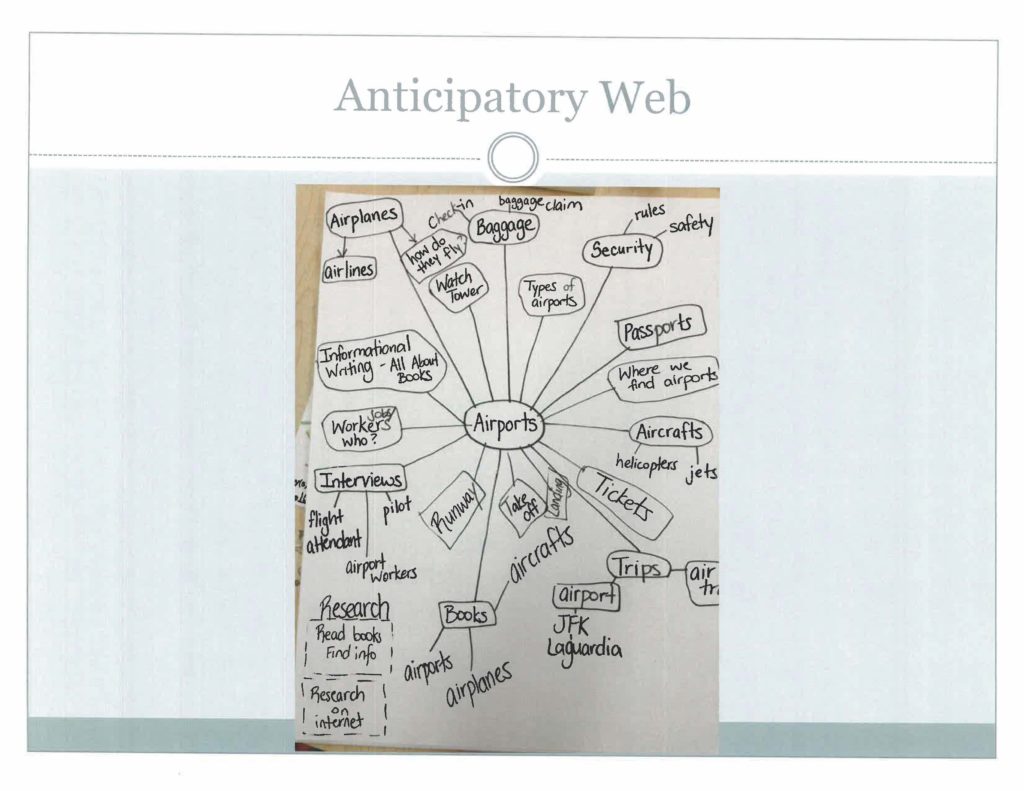
Dana thought that she would do some preliminary exploring with her children. She started by inviting children to draw pictures of what they knew about airports and airplanes.
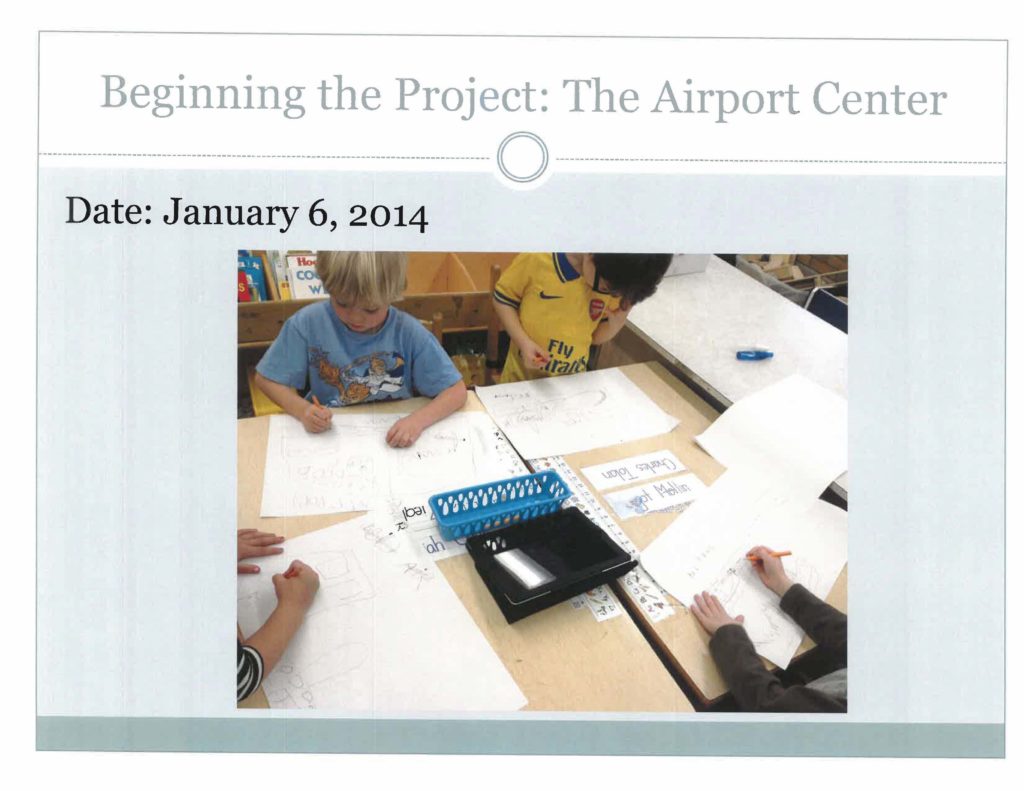
The next day, instead of their regular “signing in,” Dana proposed a question to determine their past knowledge. We always build upon what children already know (schema theory) rather than introducing an exotic, unfamiliar exploration. 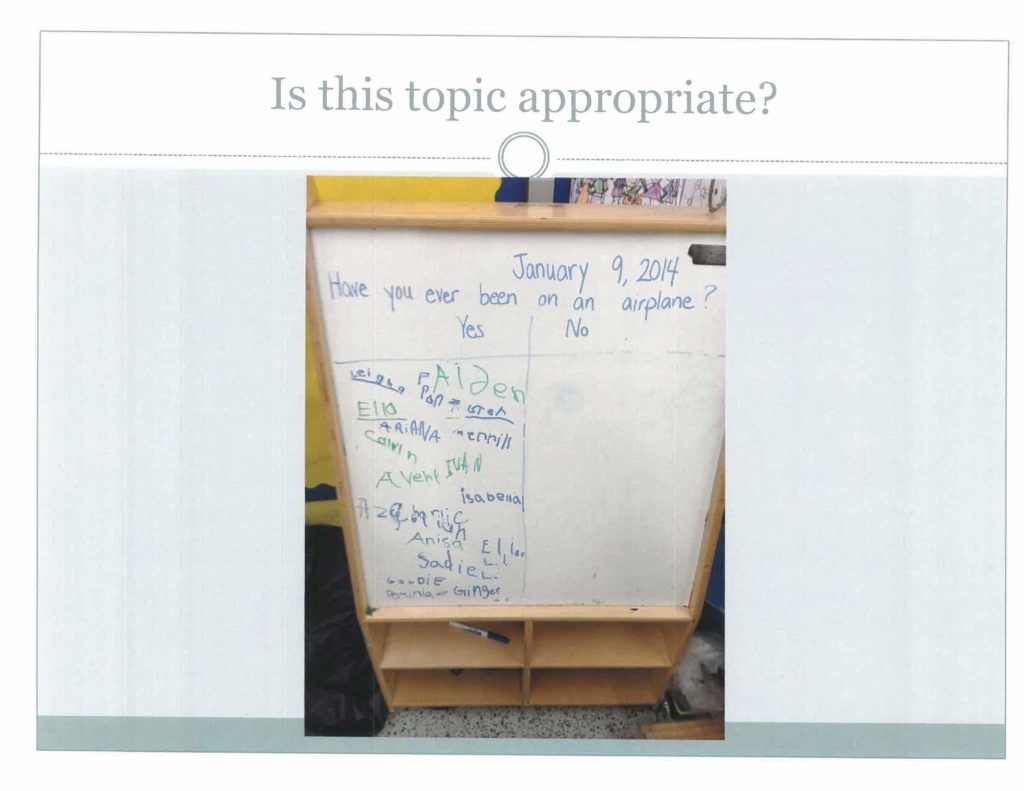
The children shared what they already knew about airports.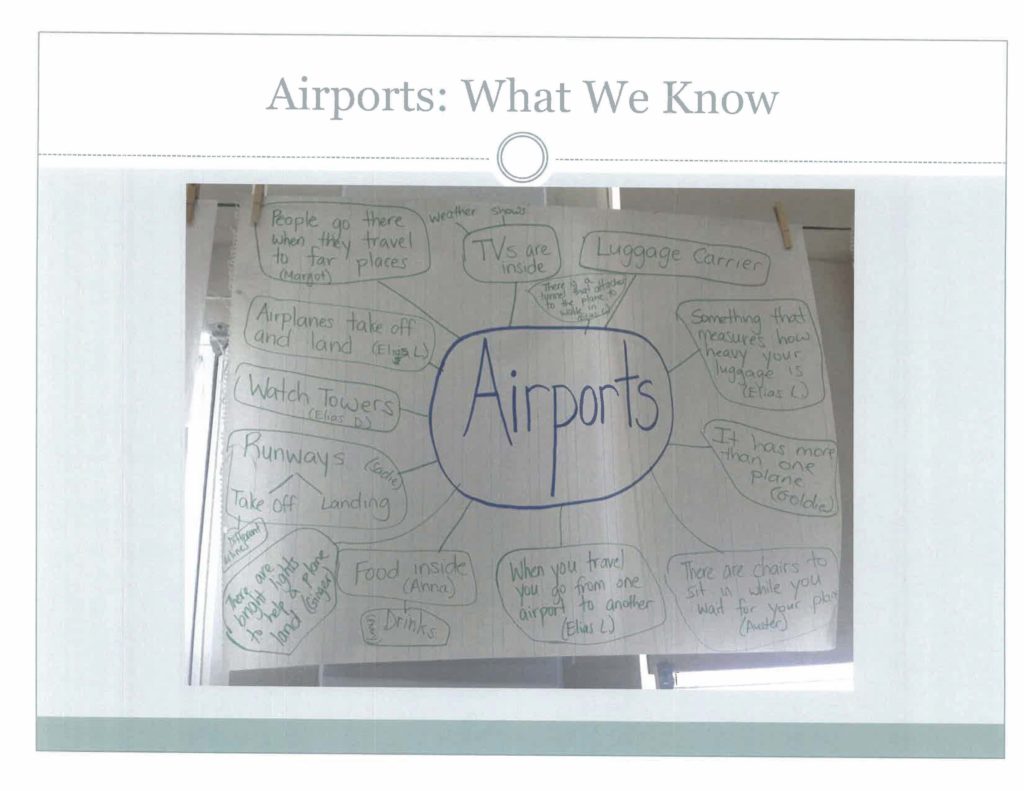
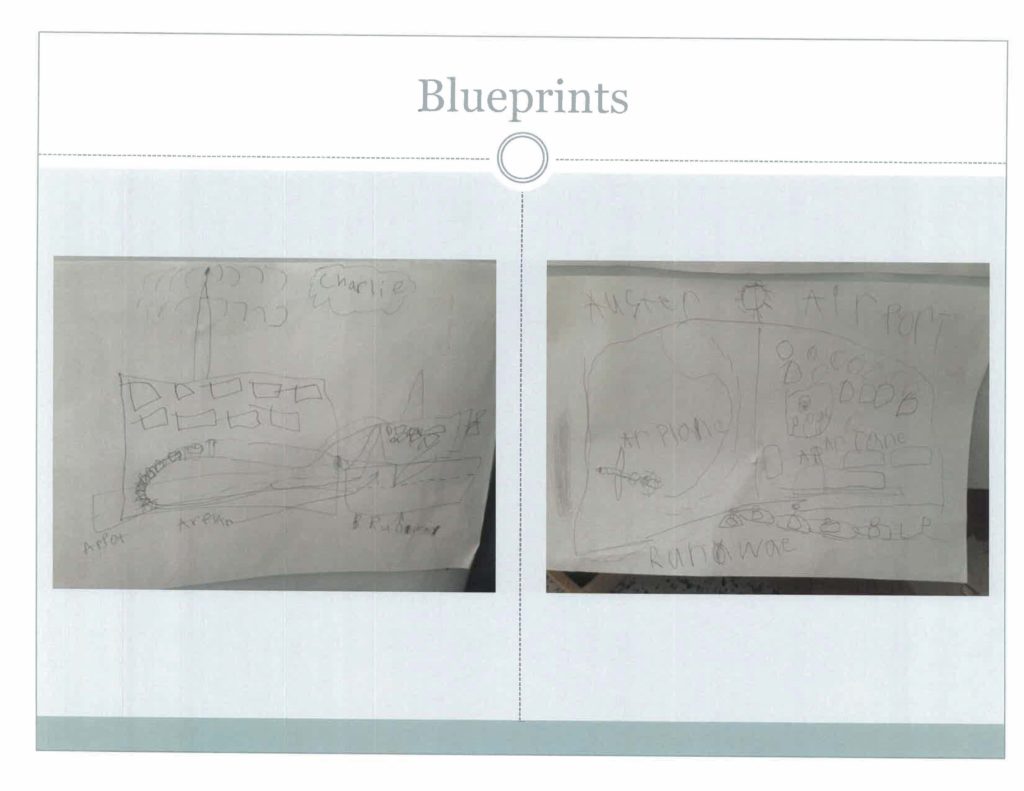
Then they went of, drew blueprints of how they thought an airport would look, based on their past experiences and they began building.
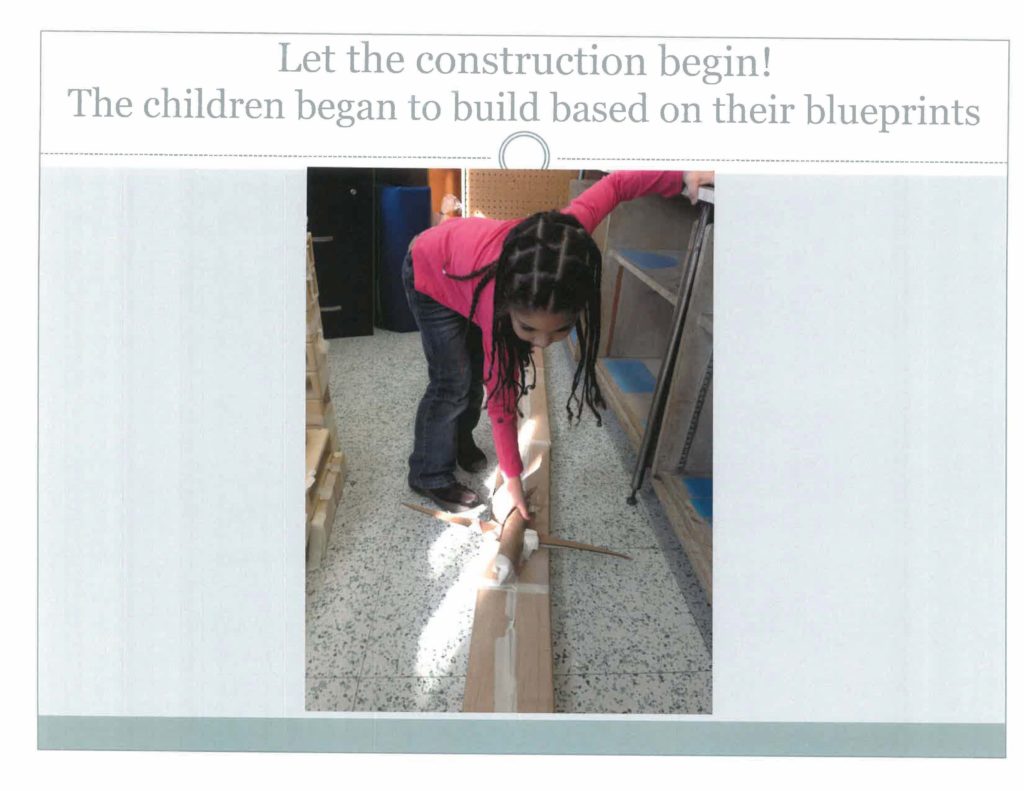
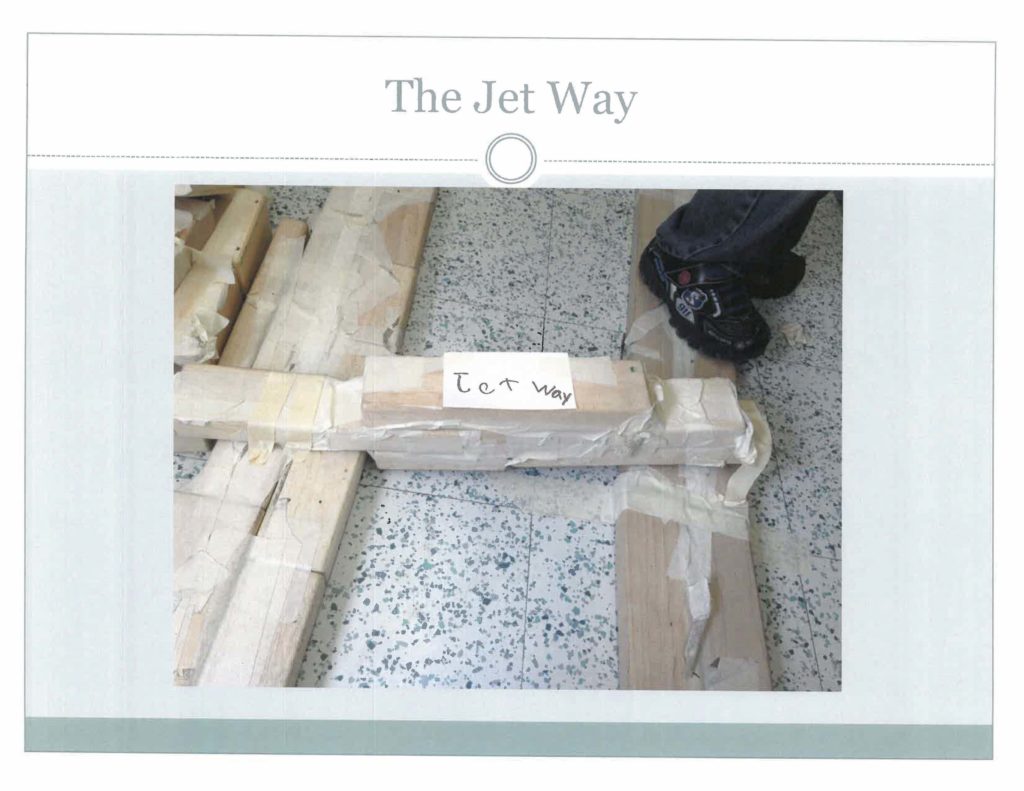
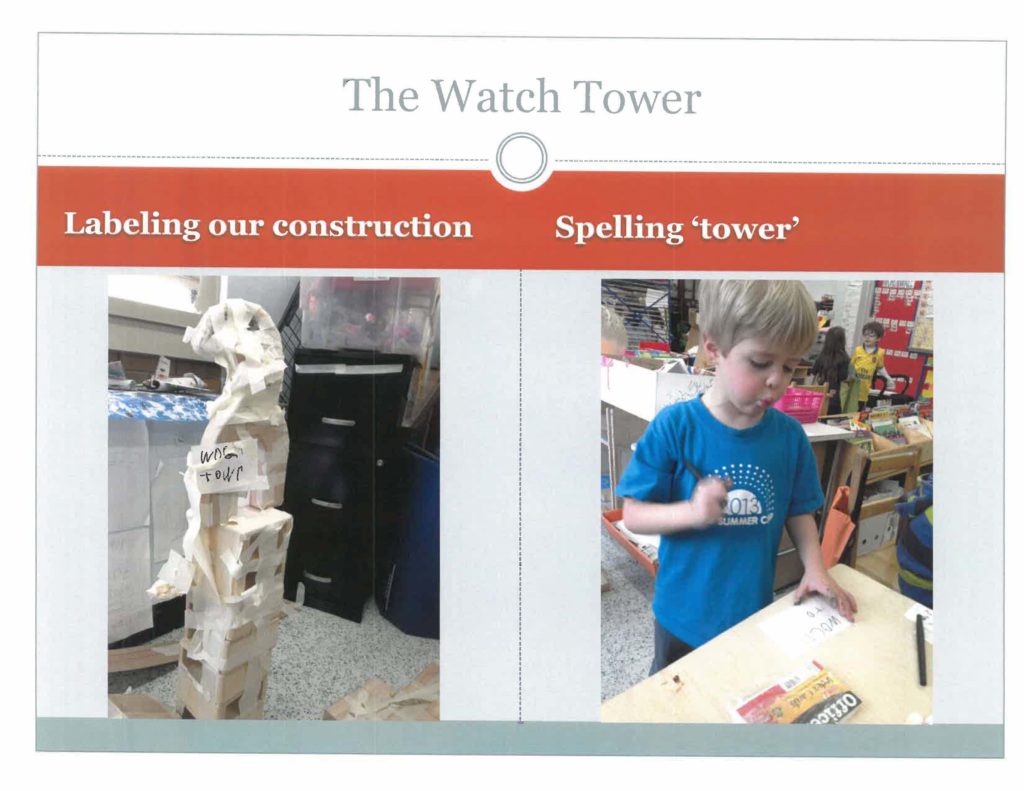
It took a lot of tape to hold up the tower and a lot of concentration to create the sign for it.

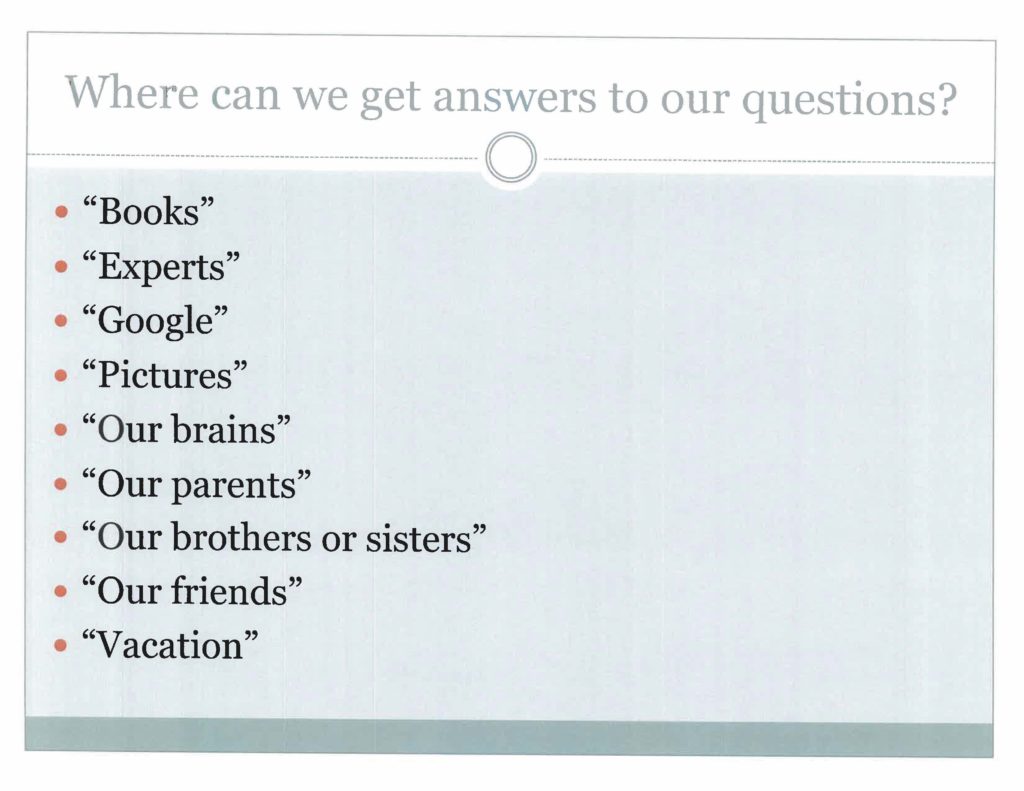
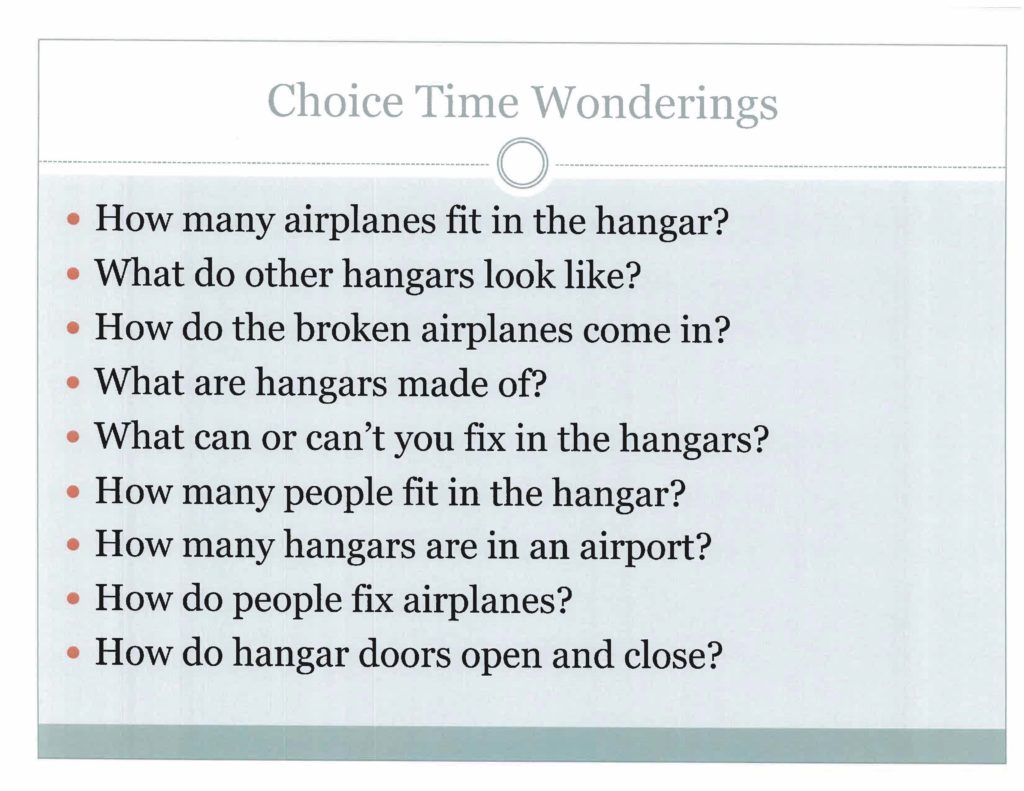
At class meeting, the children shared their “wonderings” and considered how and where they could find answers to their questions.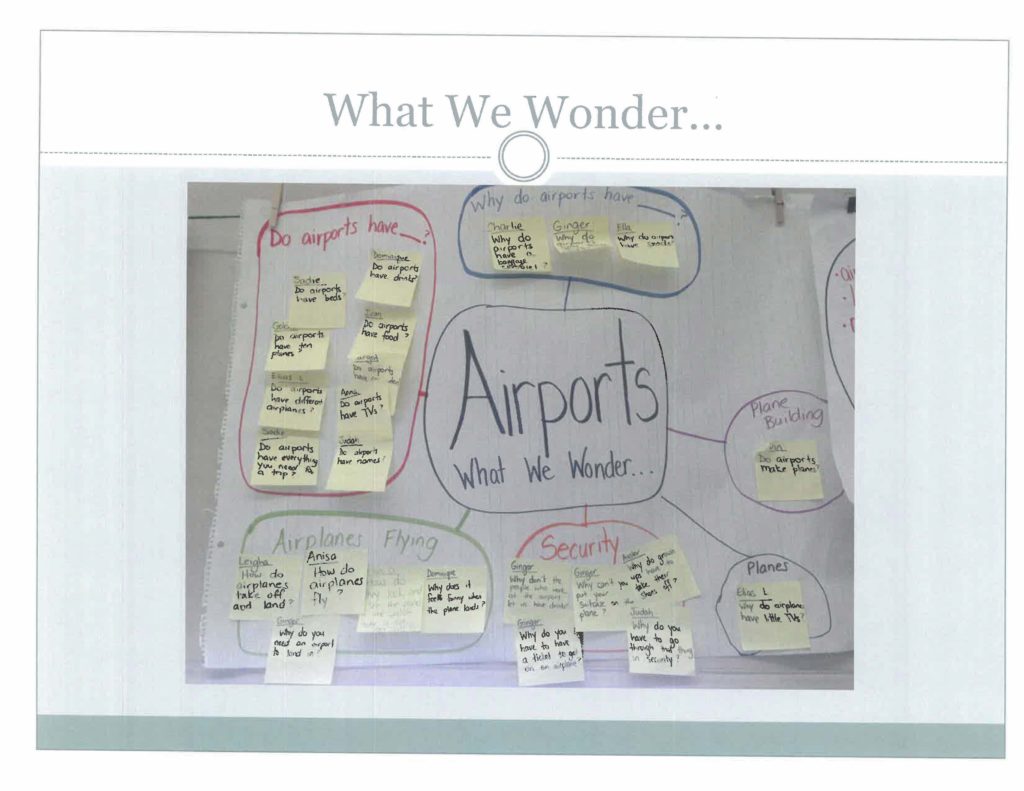
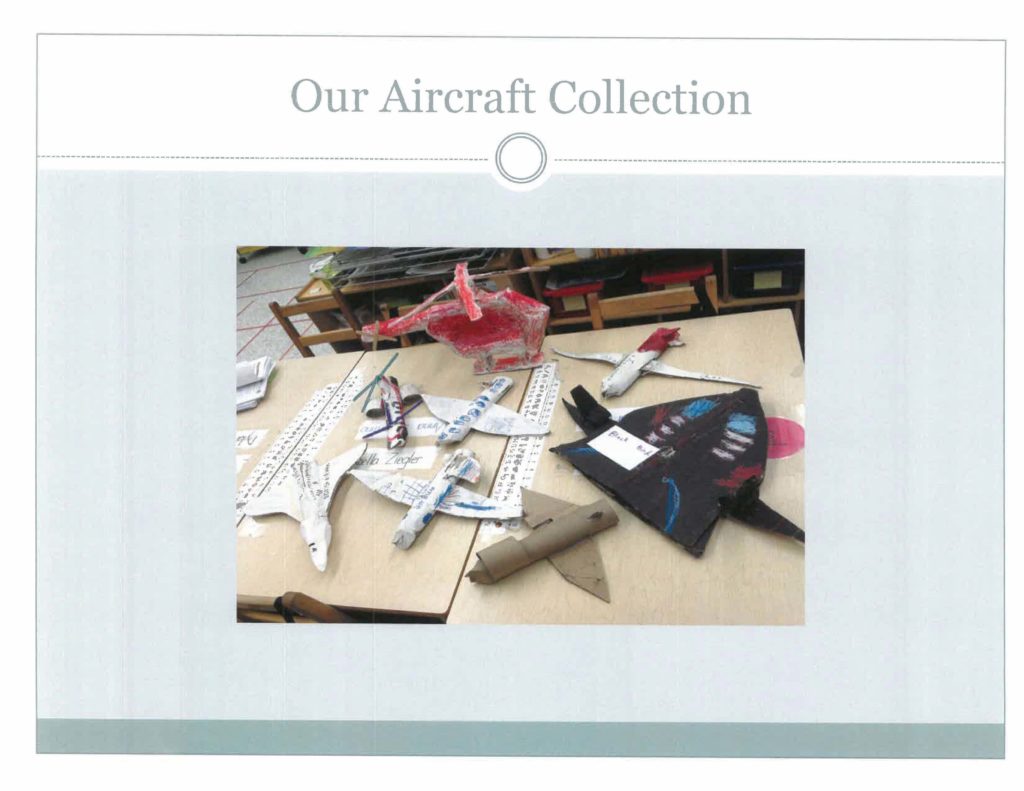
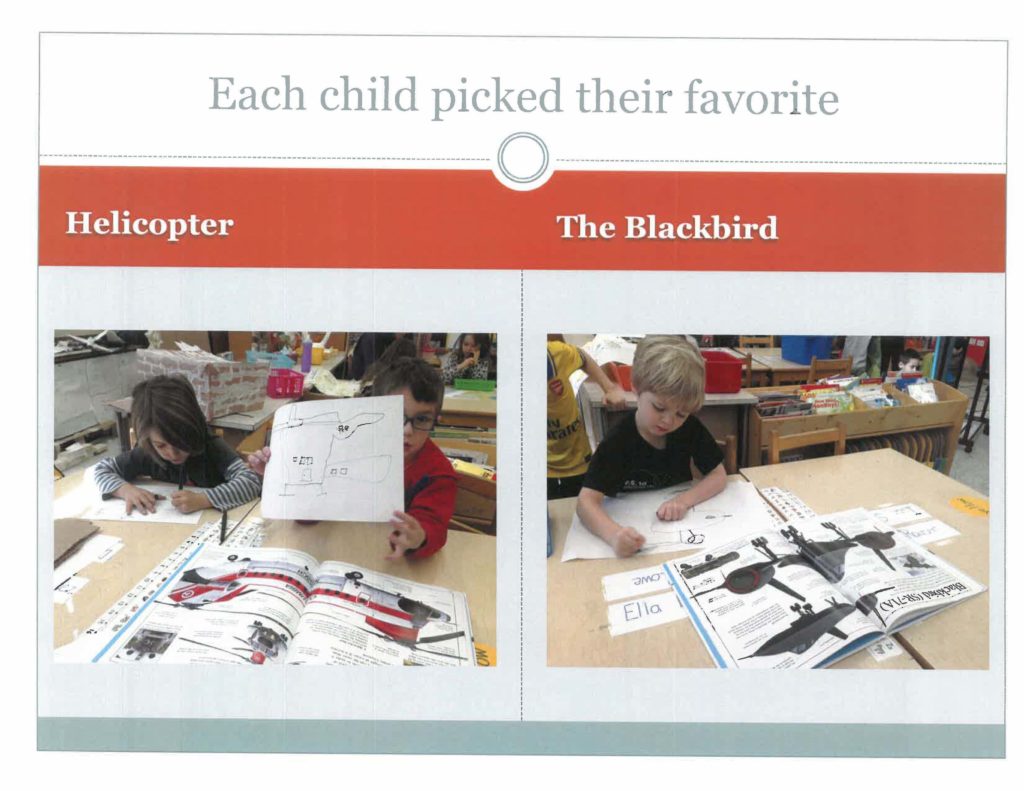
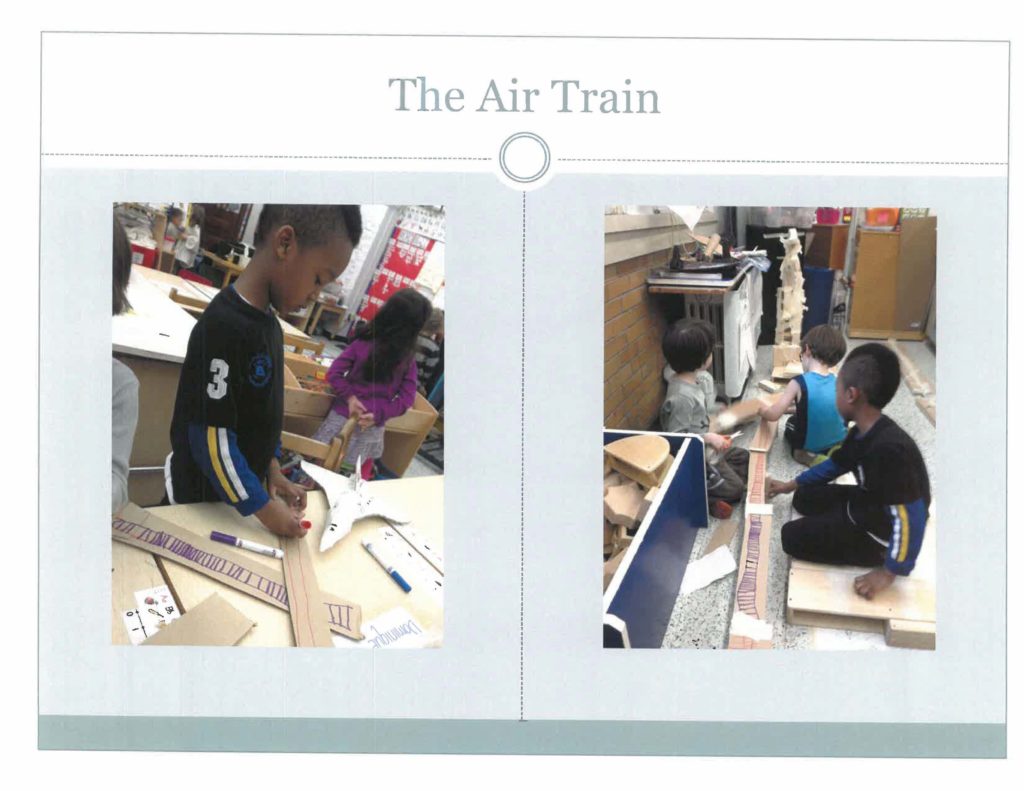
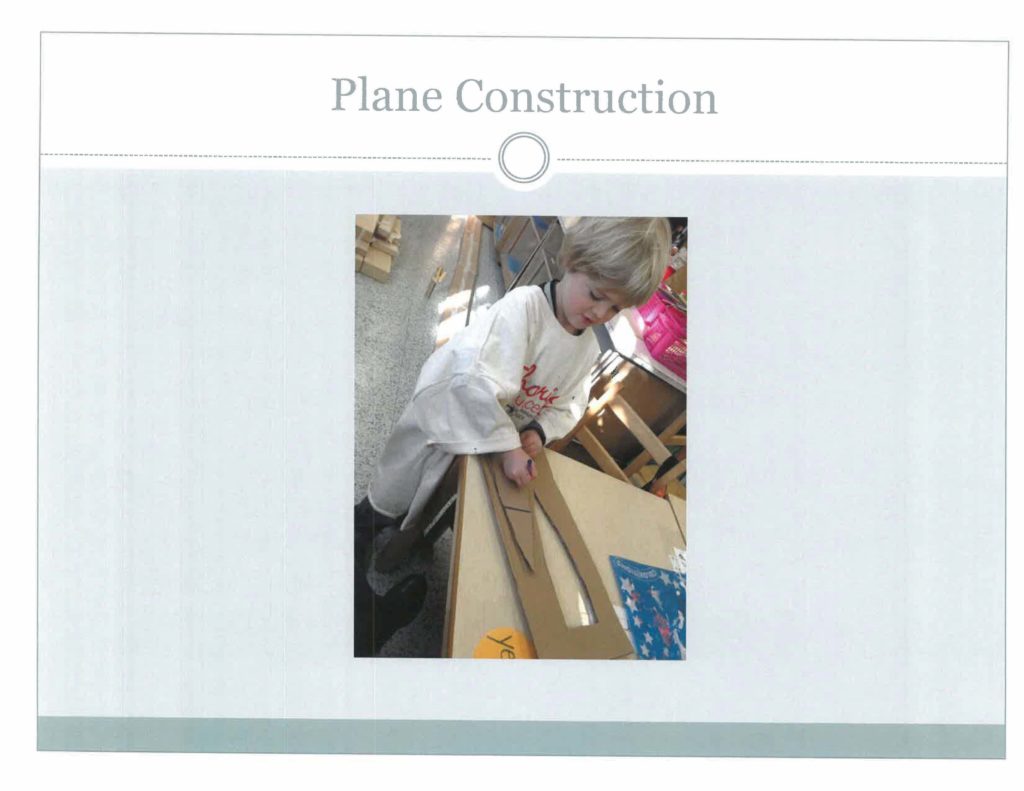
During Choice Time children children researched different airplanes and airlines, created airplanes in the art center and continued building.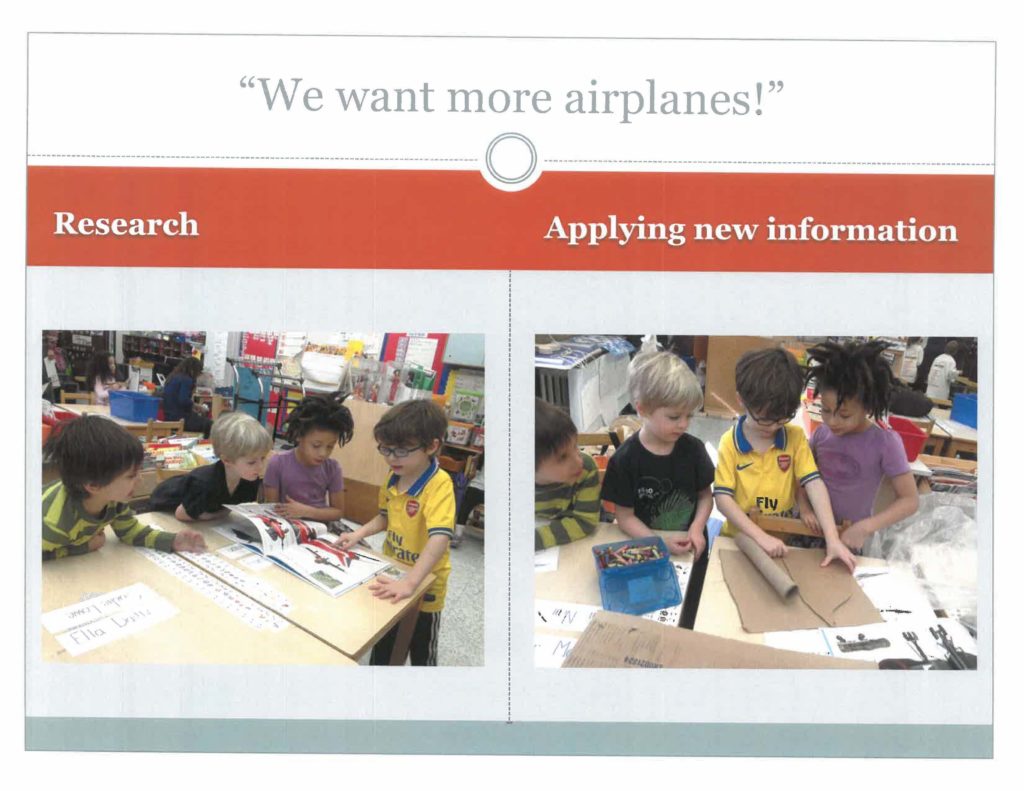
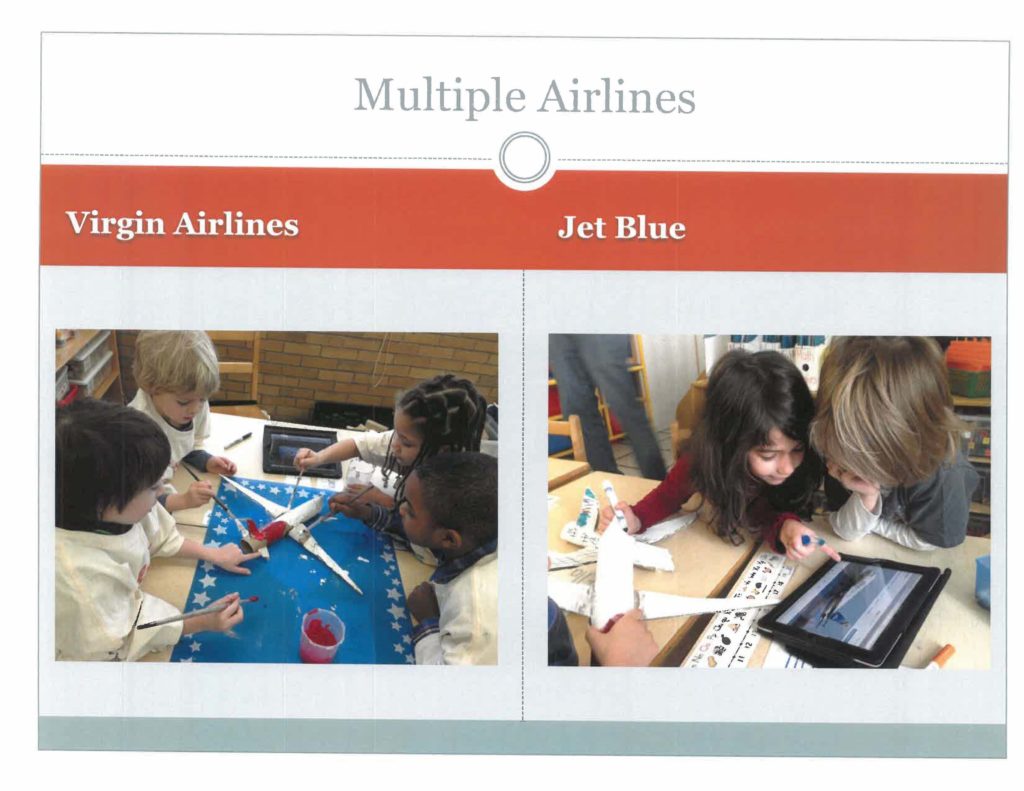 The class took a trip to the Saker Aviation Heliport but first they made a list of questions.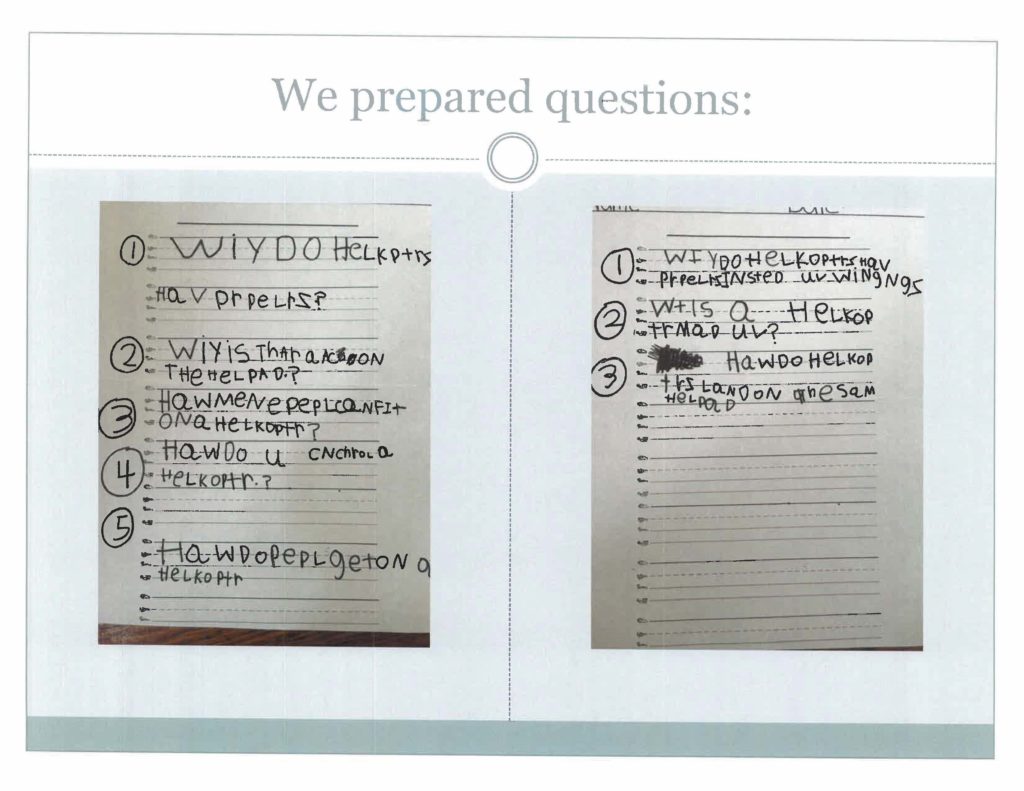
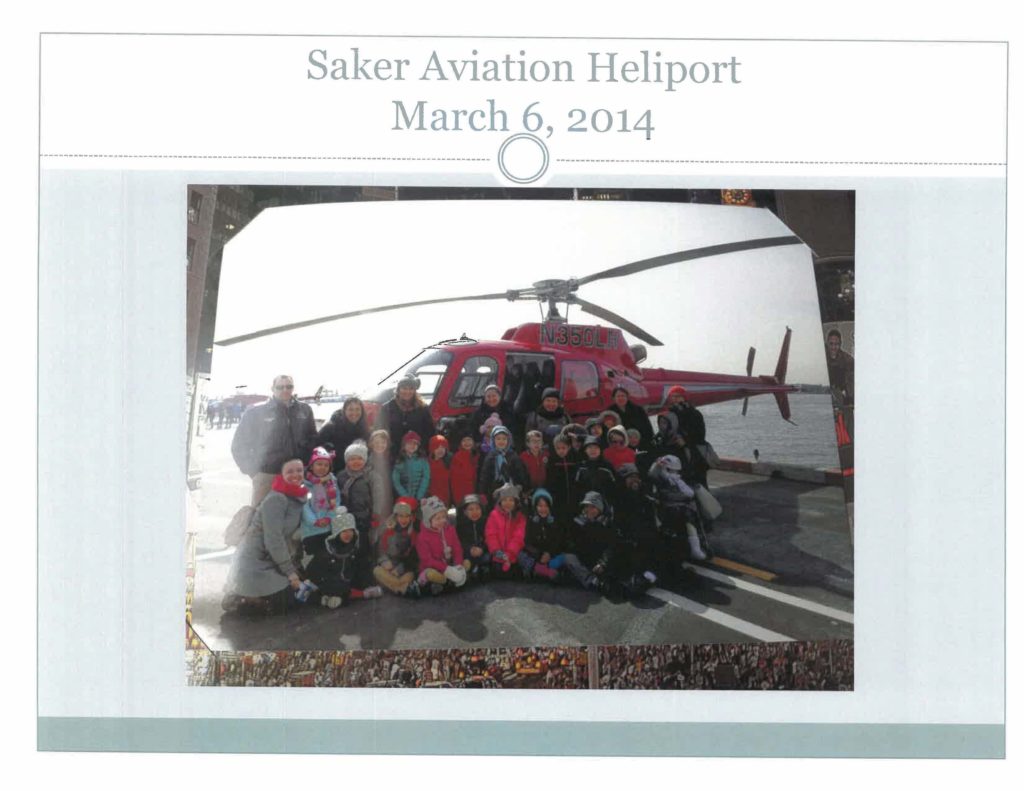
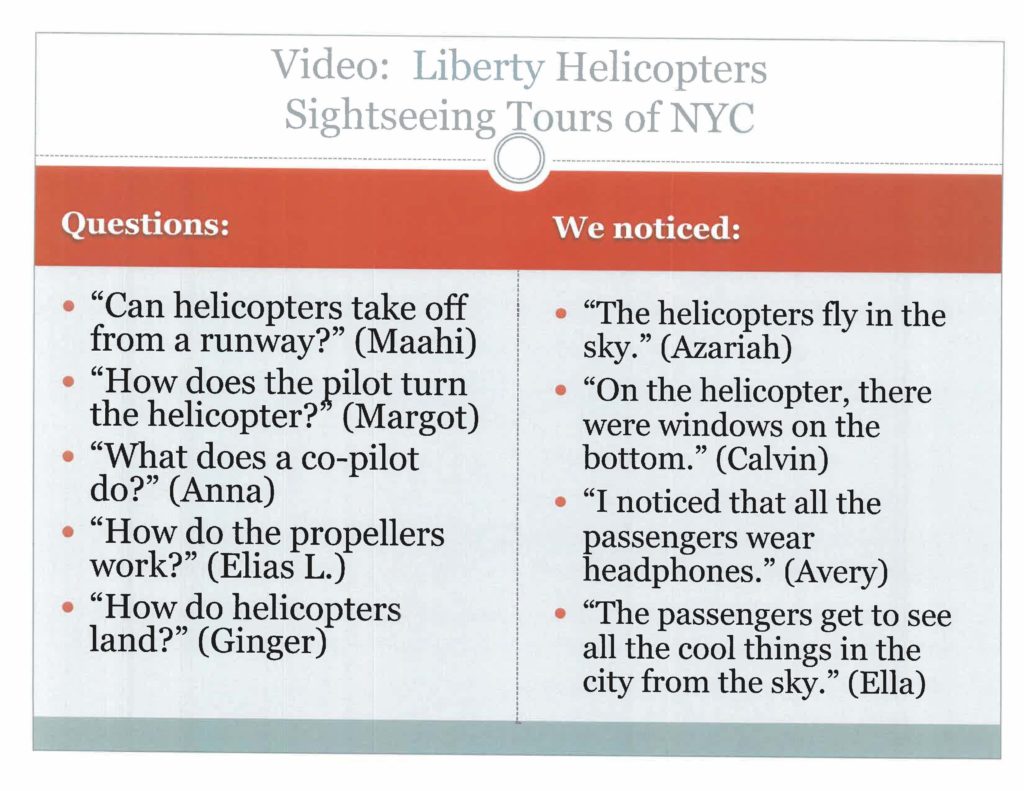
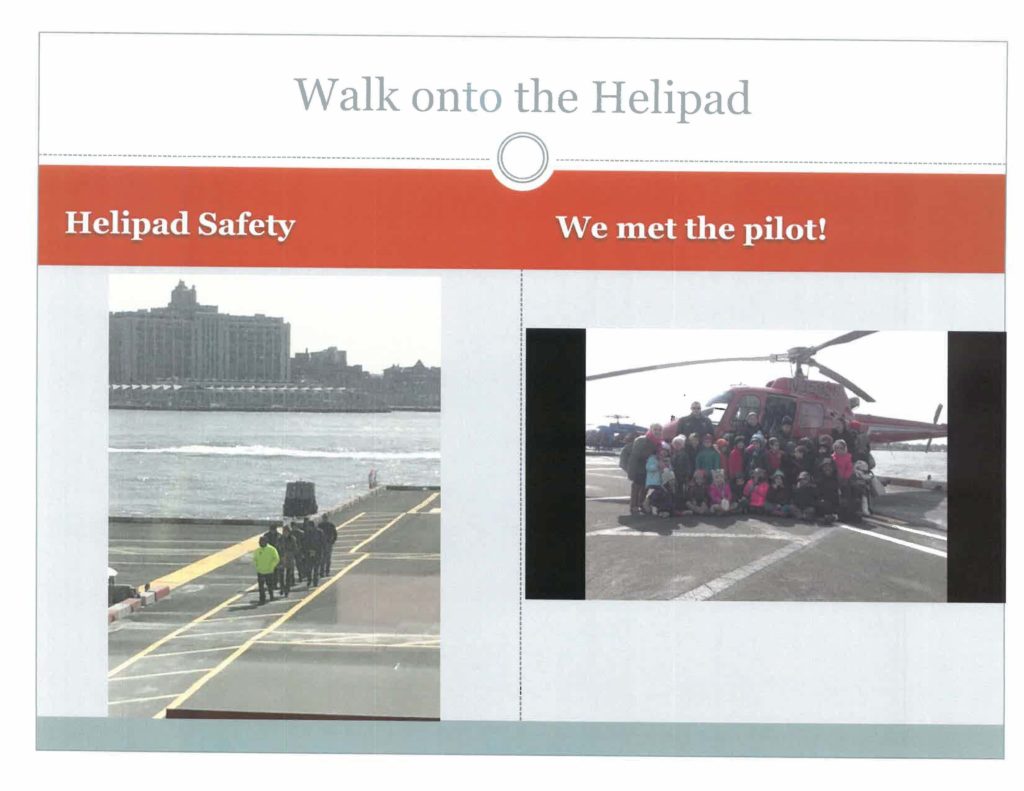 Back in class…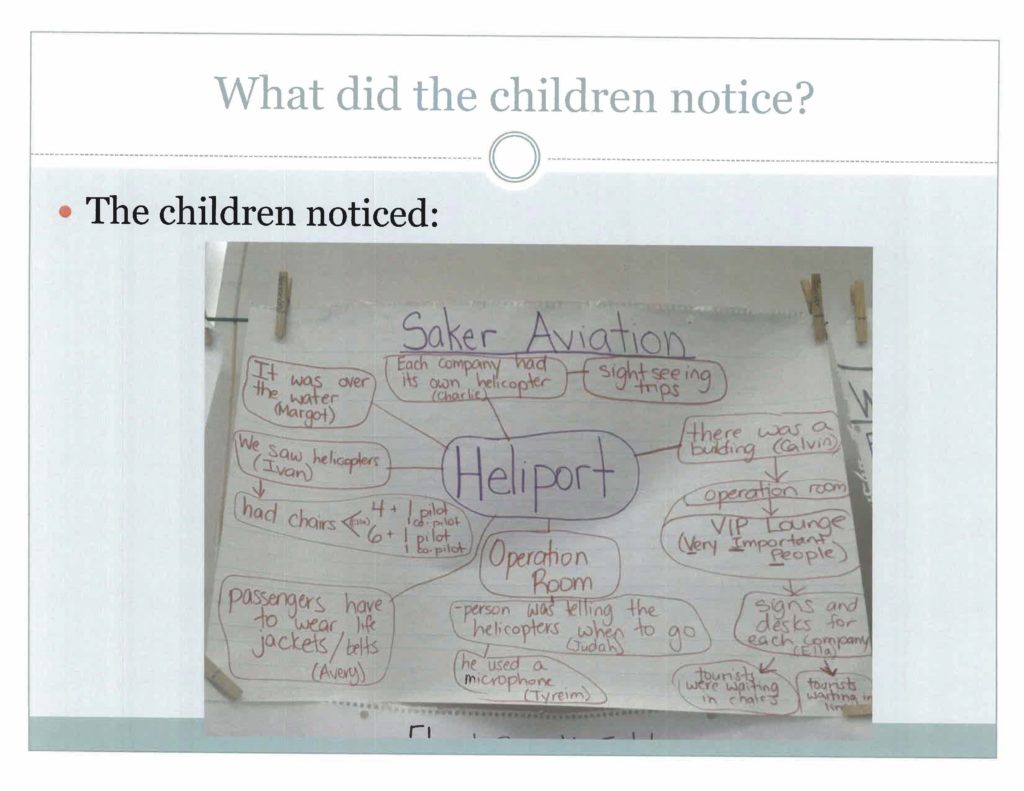
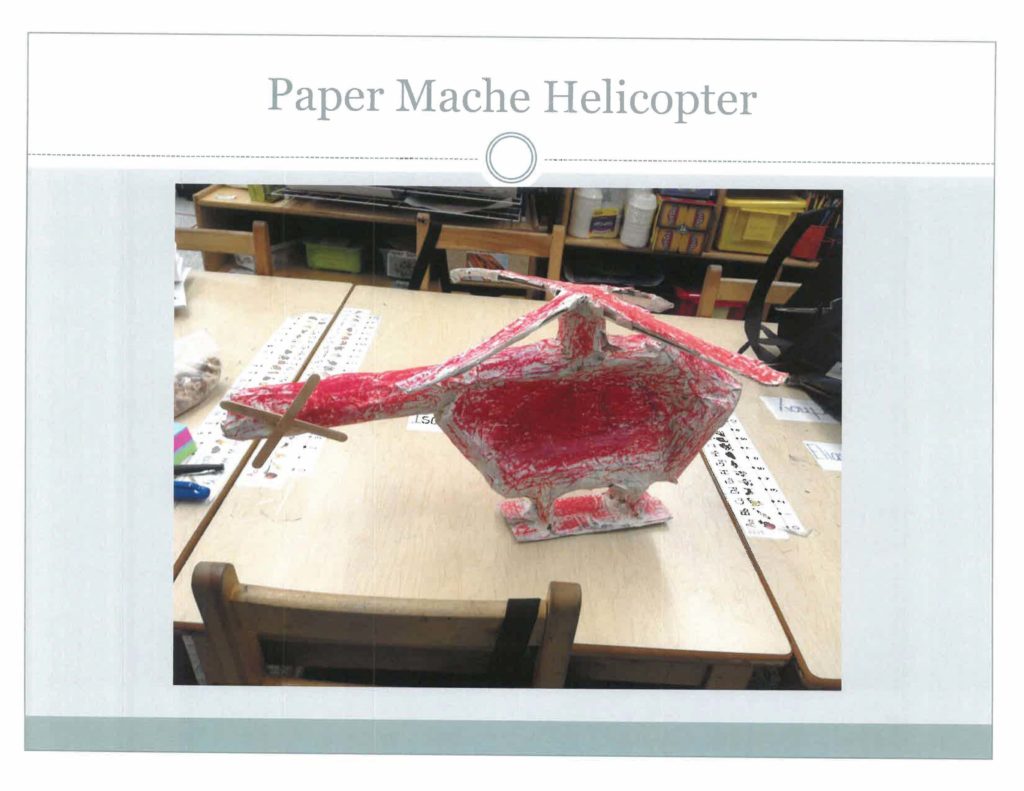

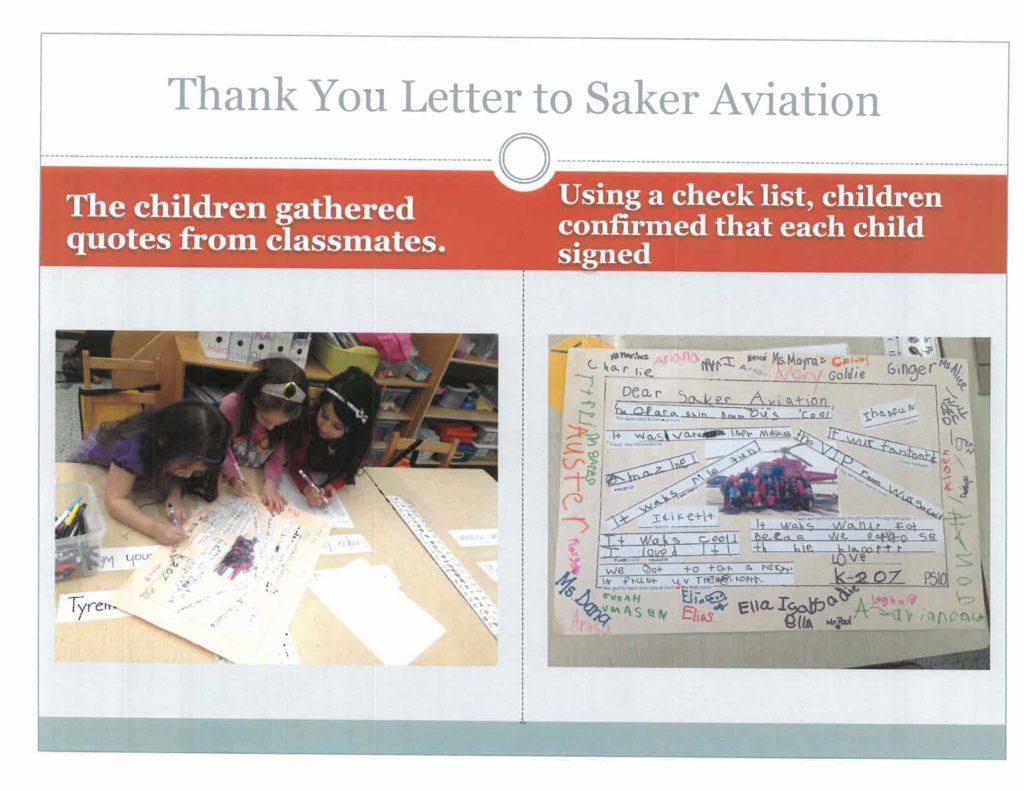
The next trip was to Floyd Bennett Field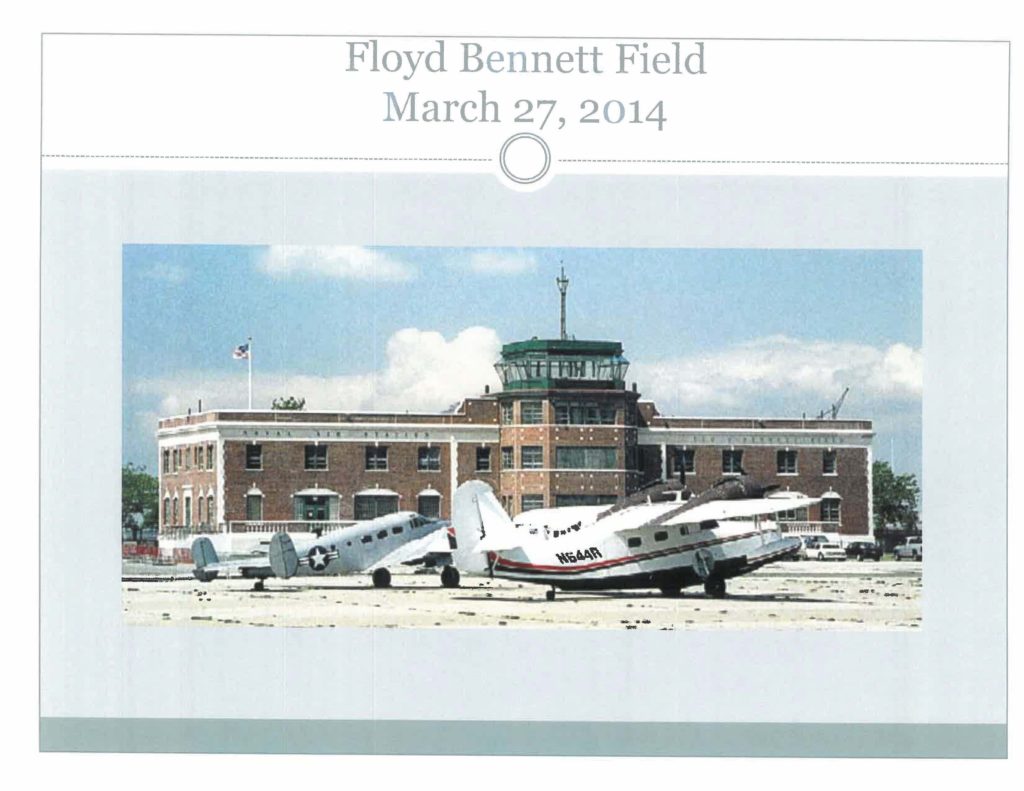
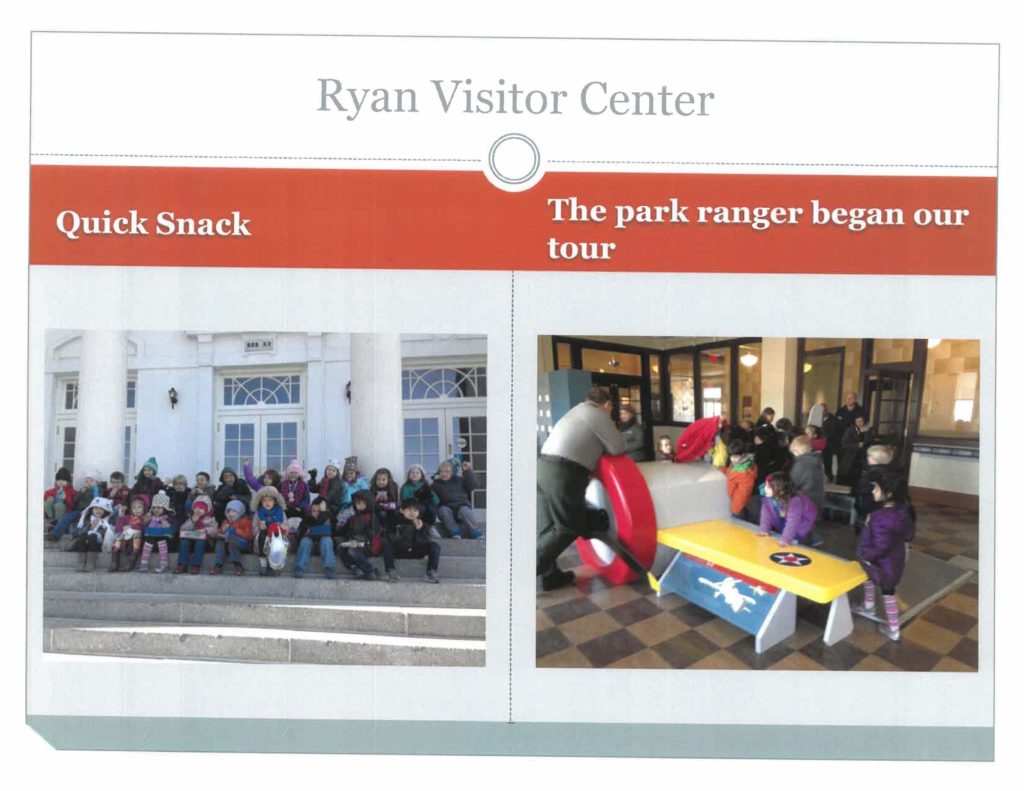
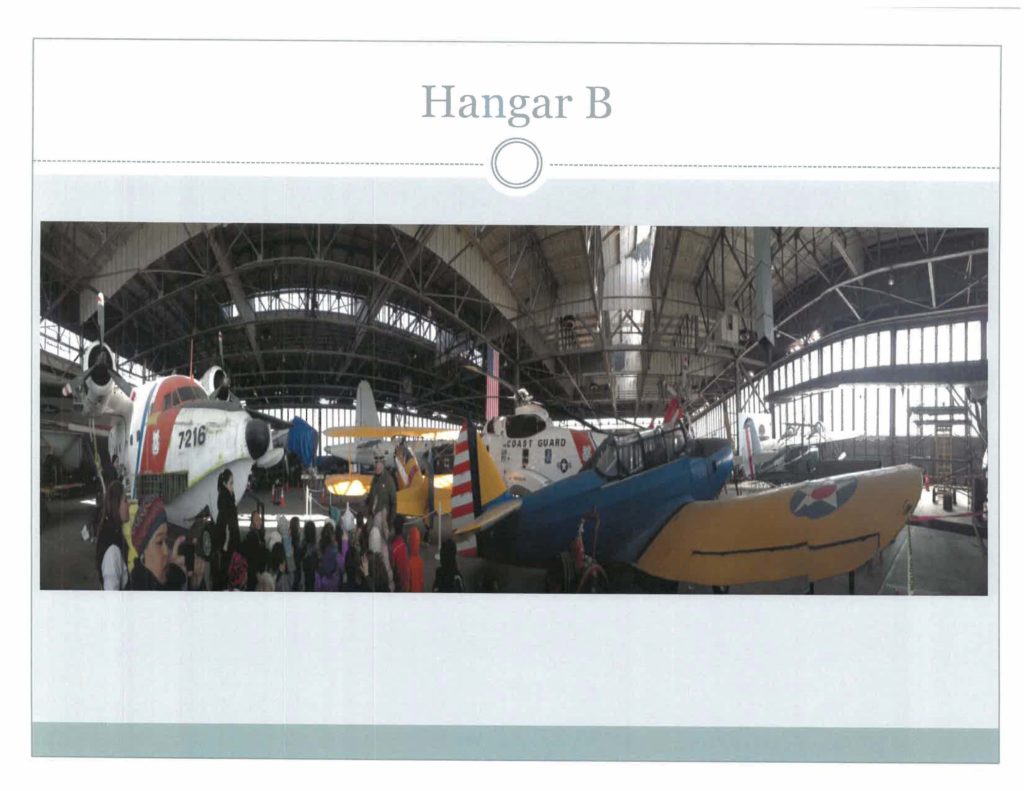
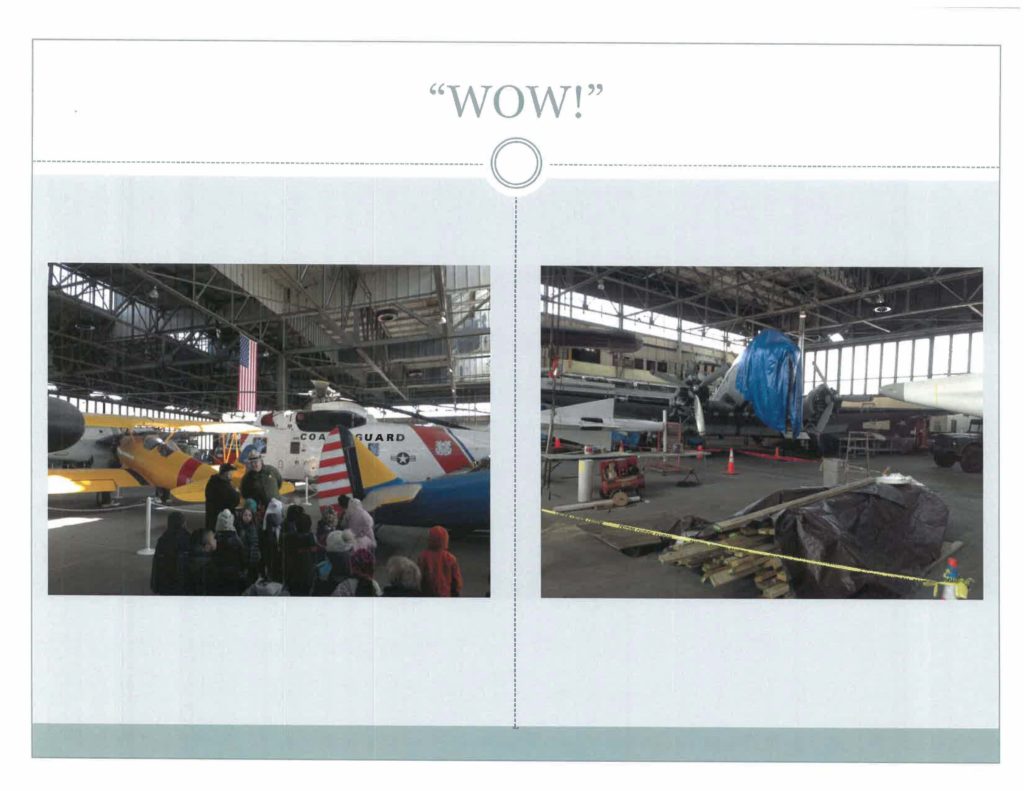
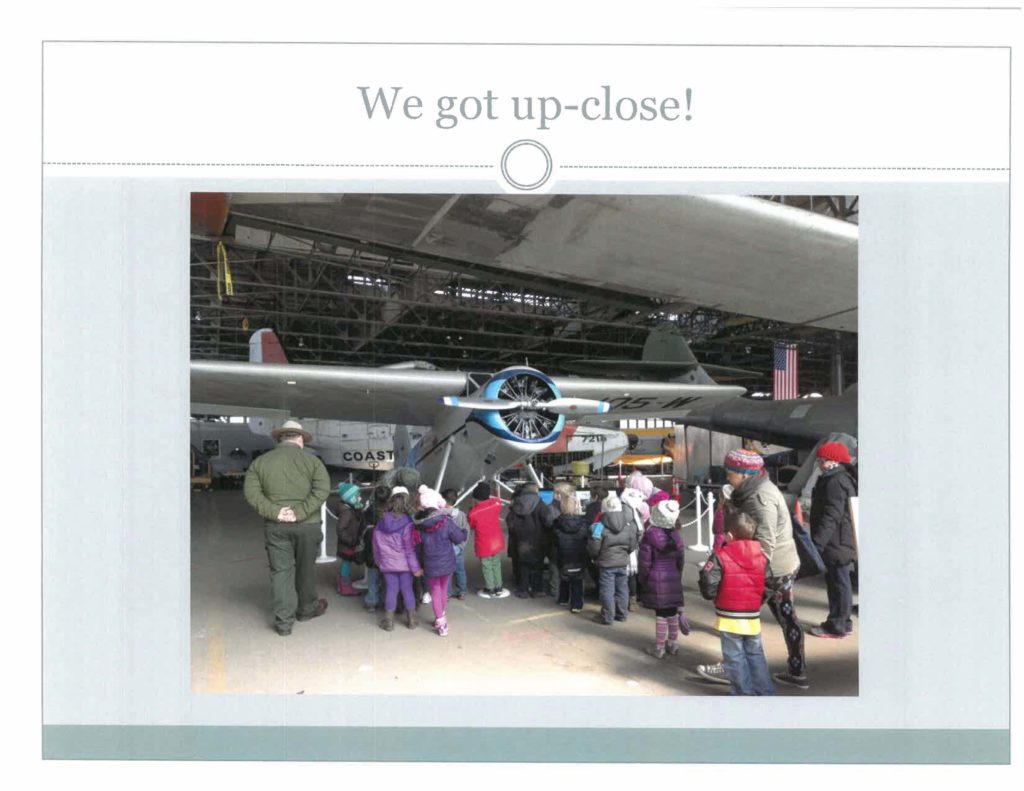
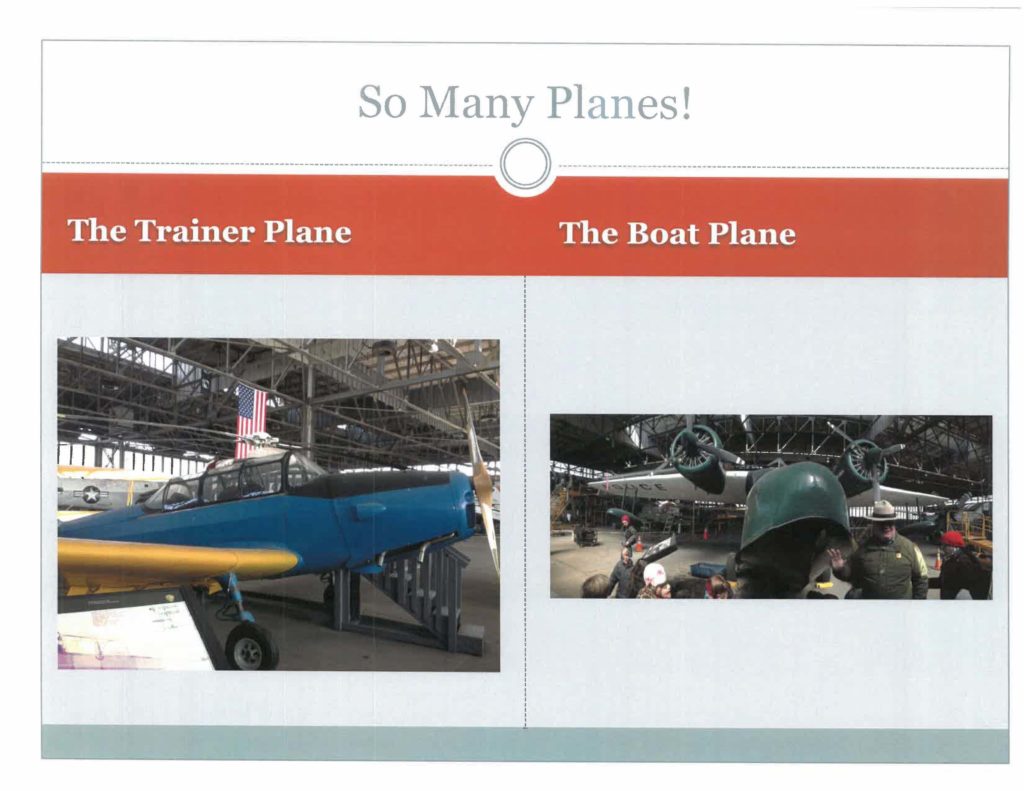
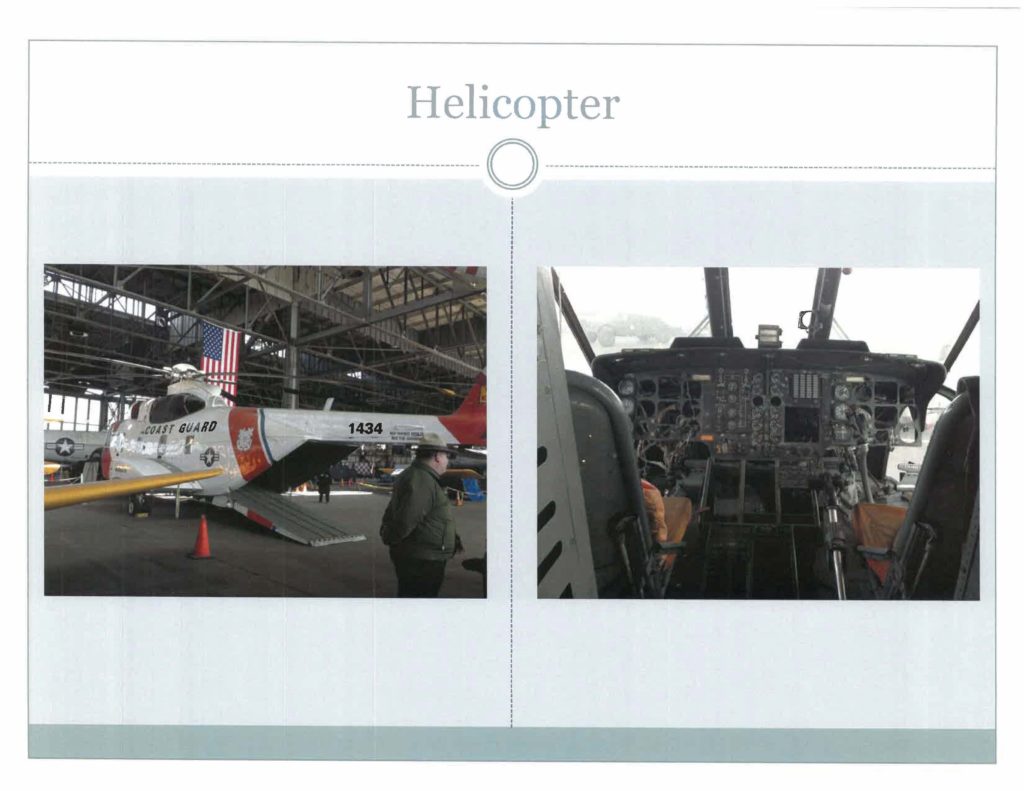
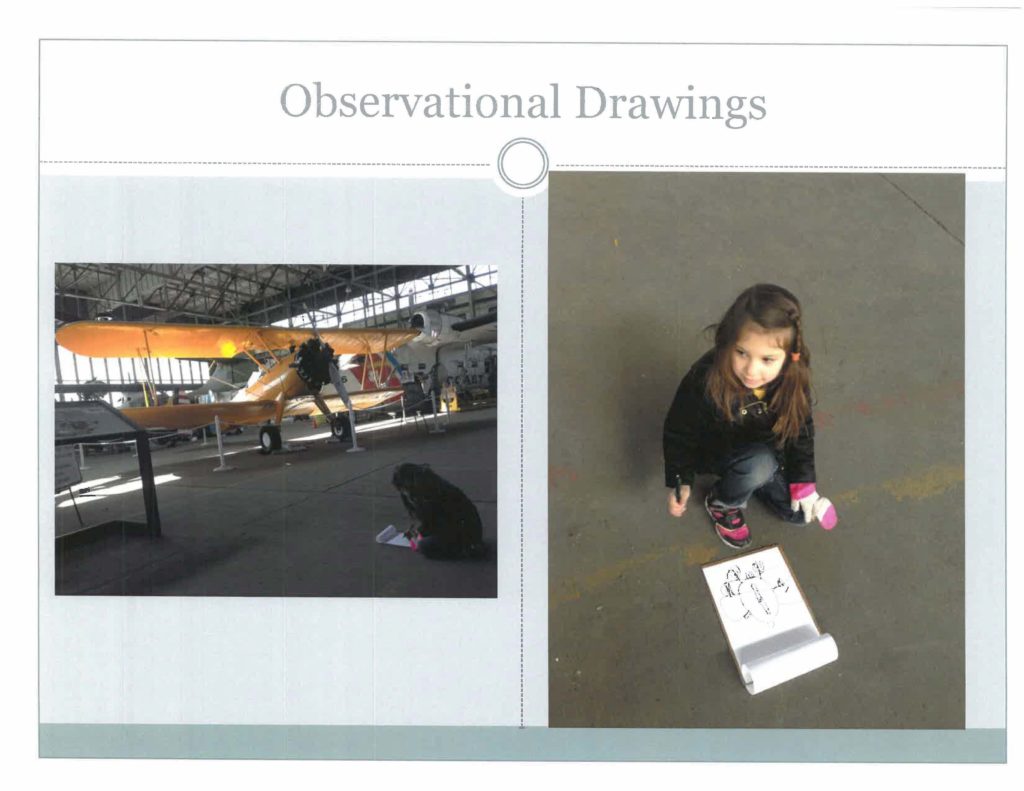
Back in class…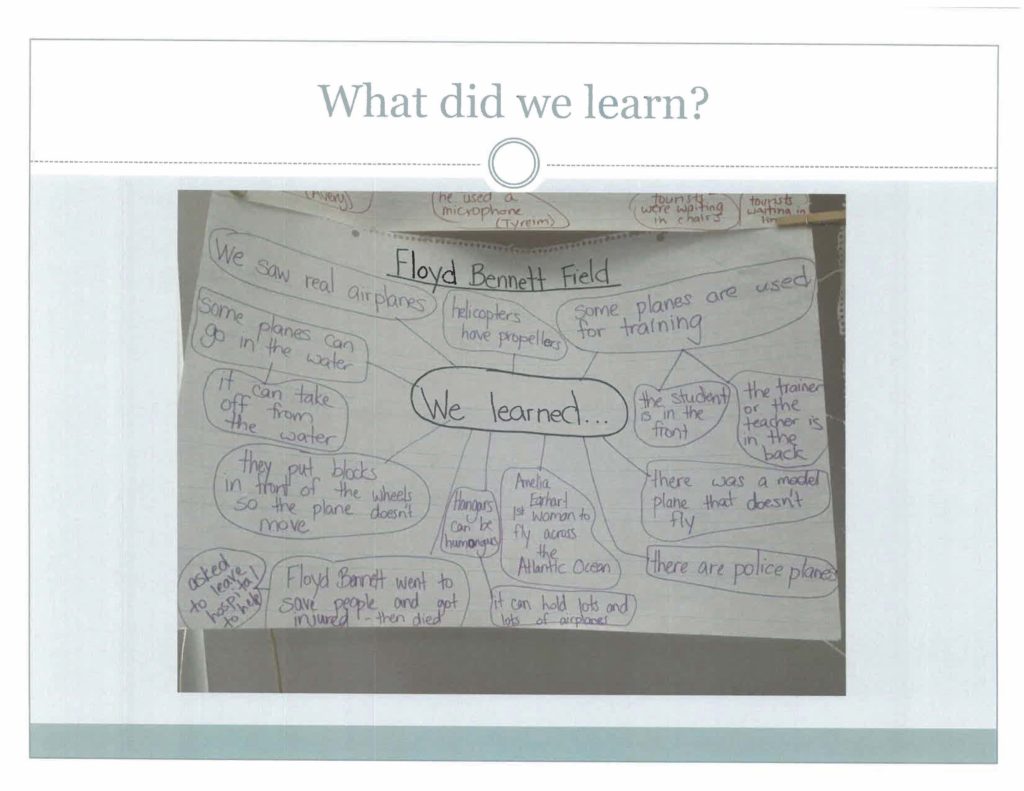
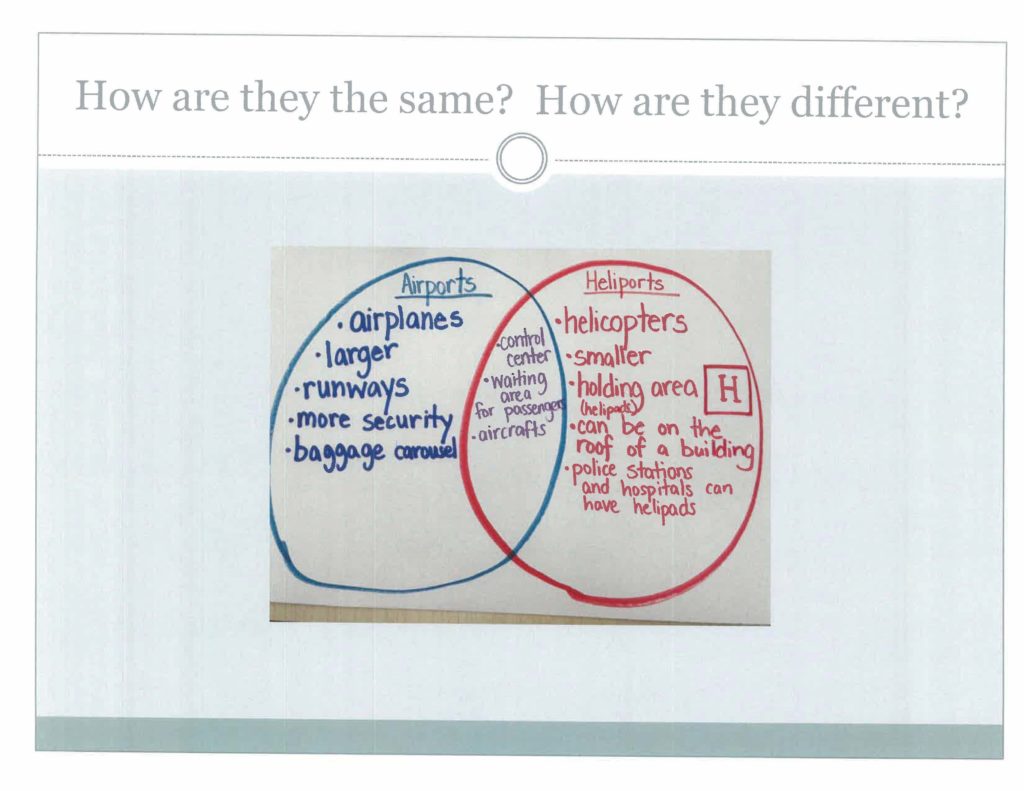
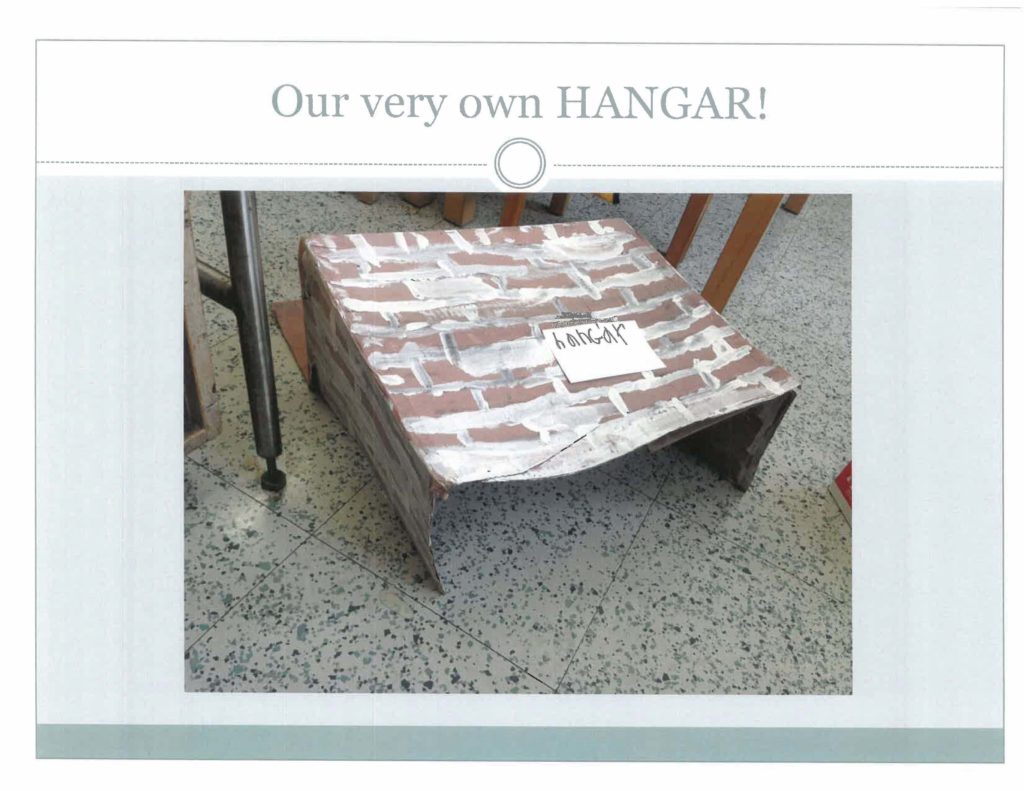
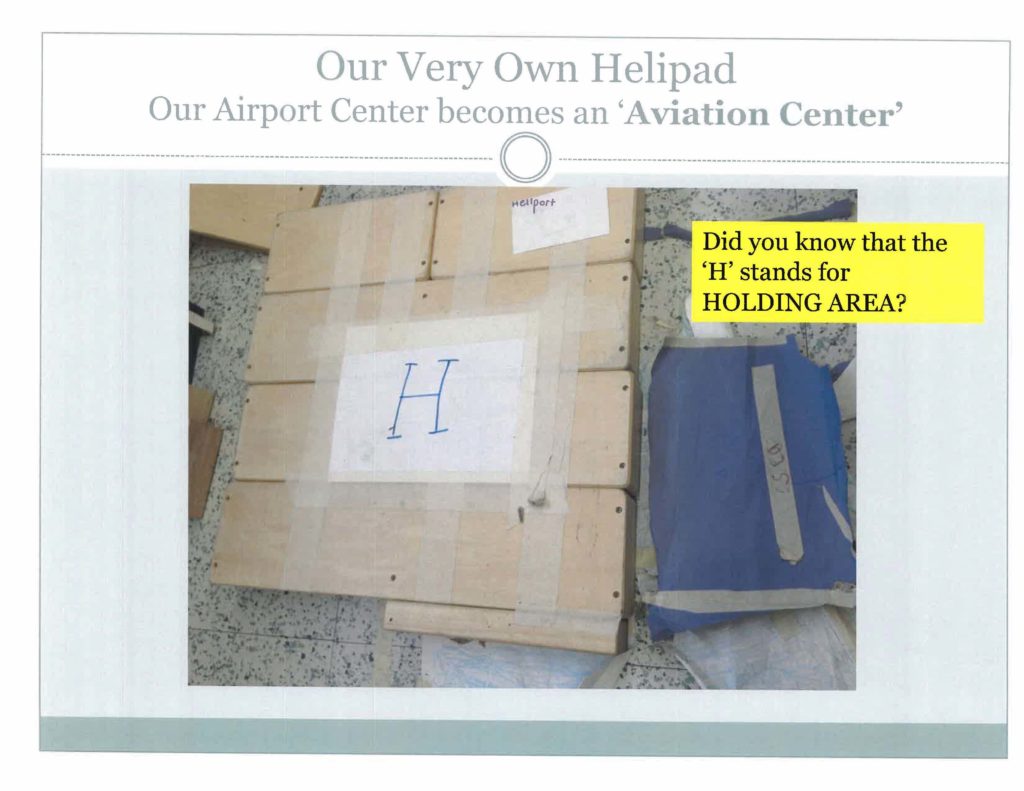
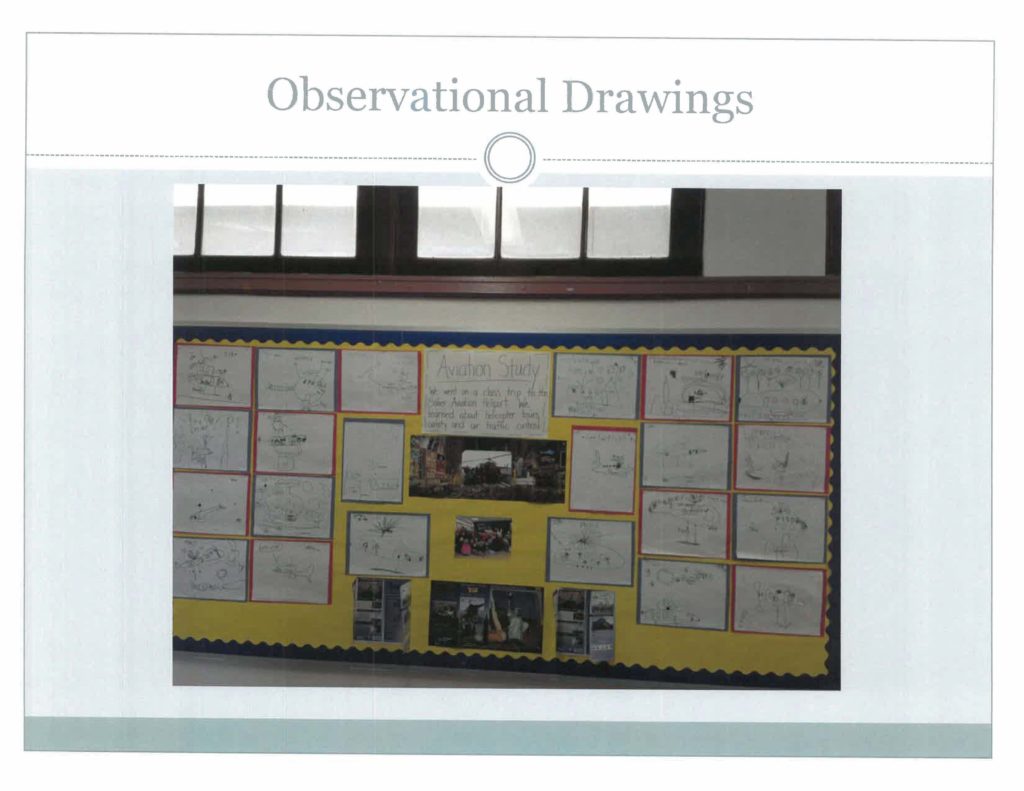
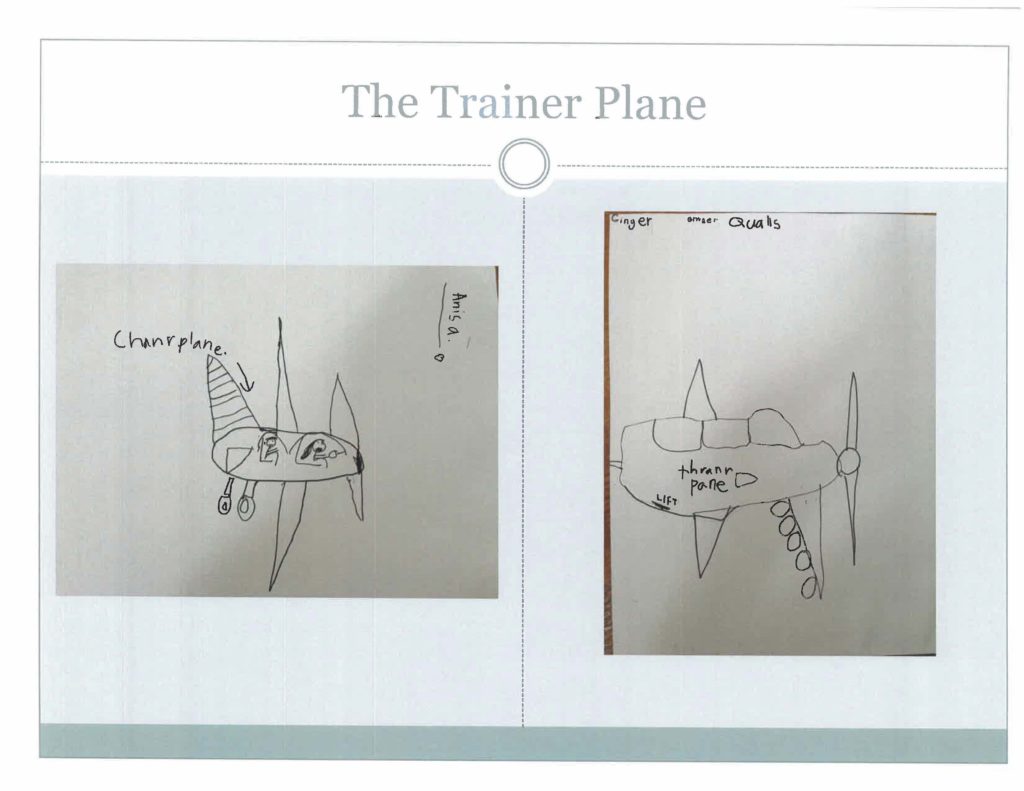
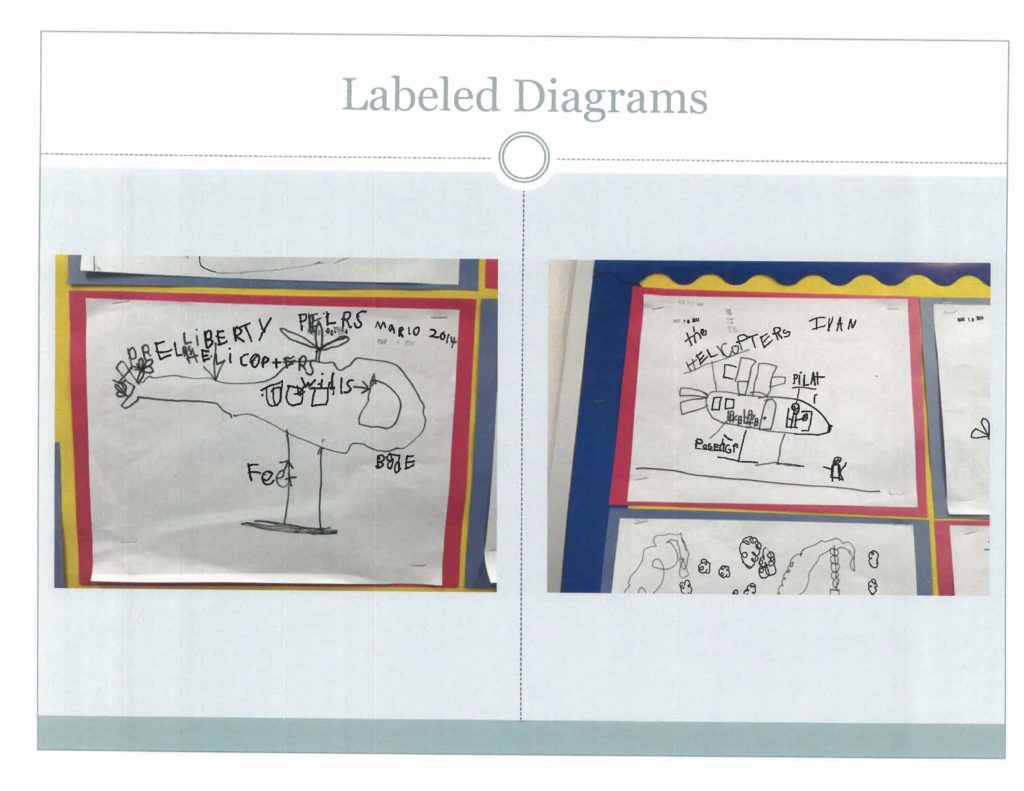
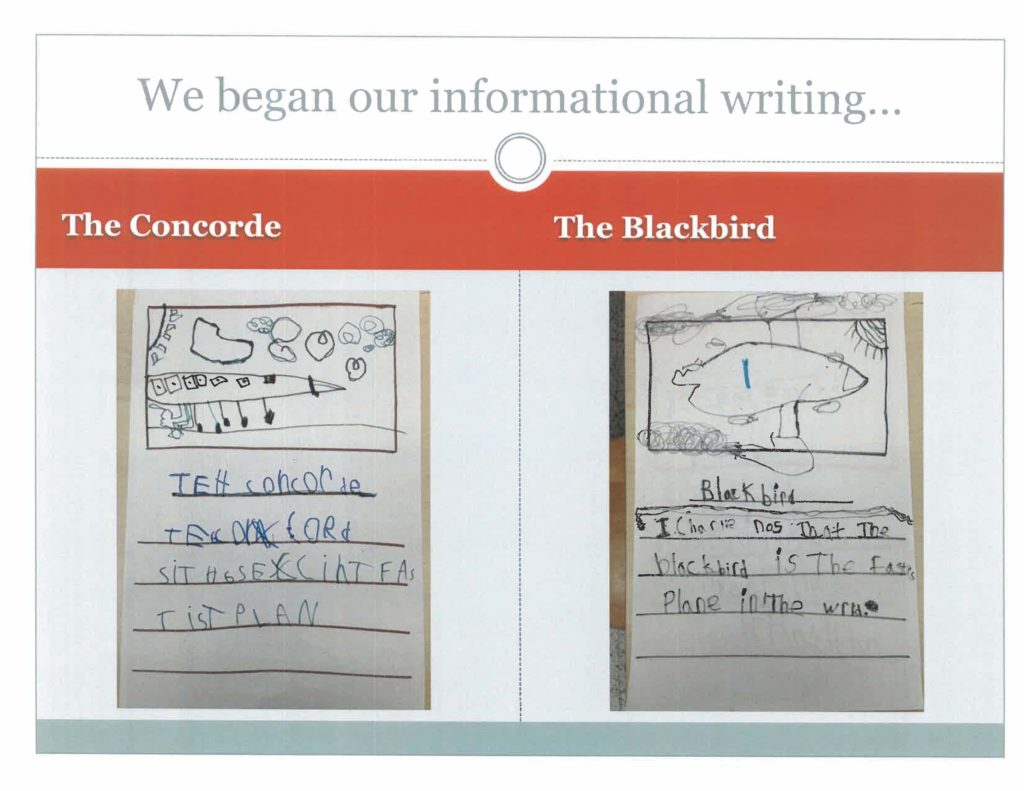
 I
I
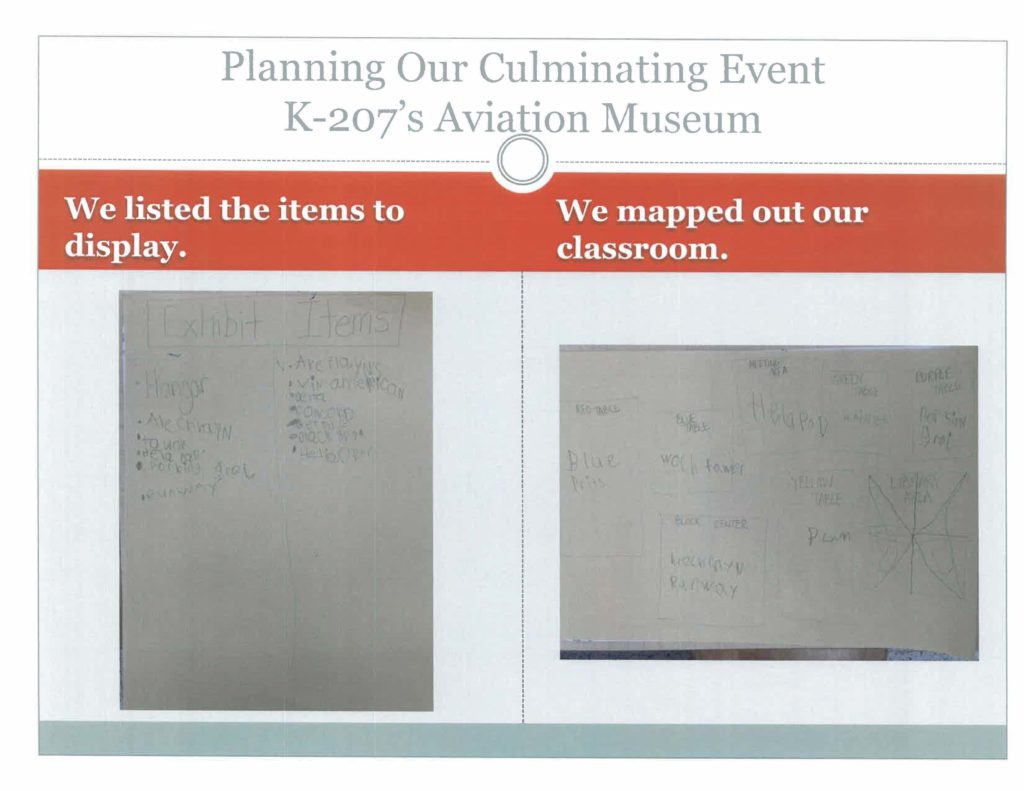
It seemed to be the time to culminate the investigation.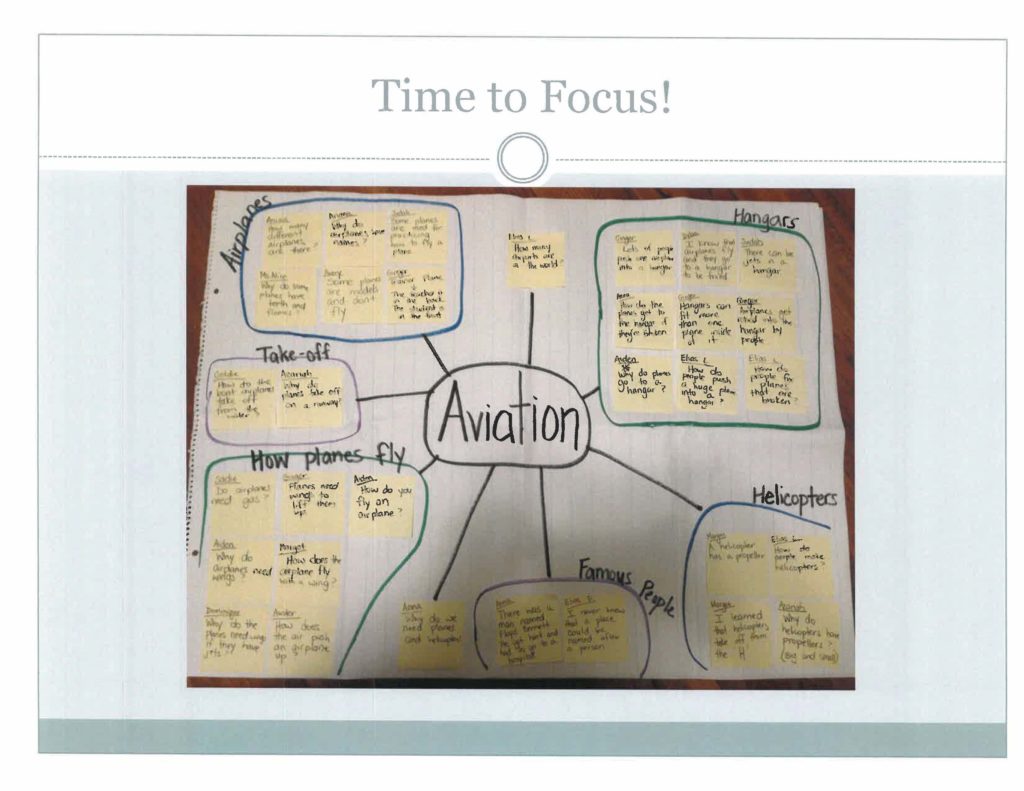
SKIP AHEAD TO AUGUST, 2018. I WAS INVITED TO VISIT THE DALTON SCHOOL OF HONG KONG AND WORK WITH LARRY LEAVEN, NANCY DU, SHAuN PORTER, MATTHEW WHITE AND THE WONDERFUL TEACHING STAFF ON DEVELOPING INQUIRY-BASED CHOICE TIME AND CLASS INQUIRY PROJECTS. 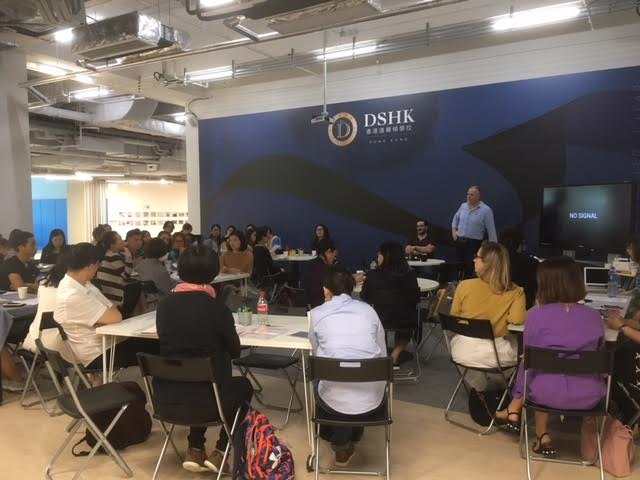
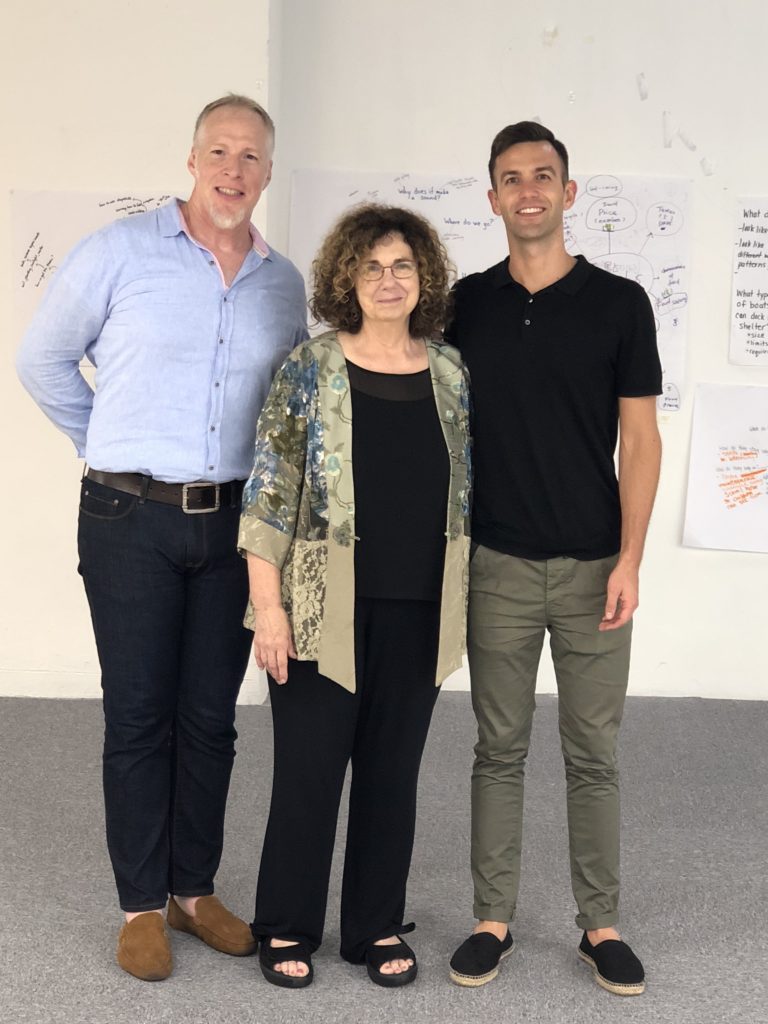
Larry Leaven, Shaun Porter.
Nancy Du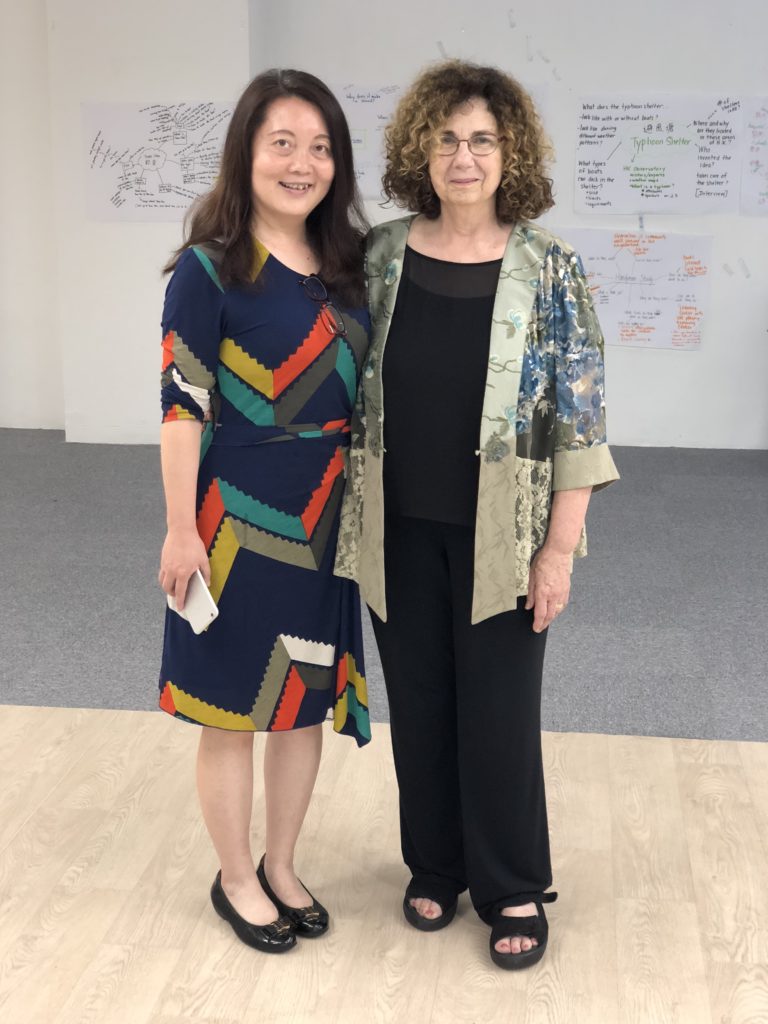
Matthew White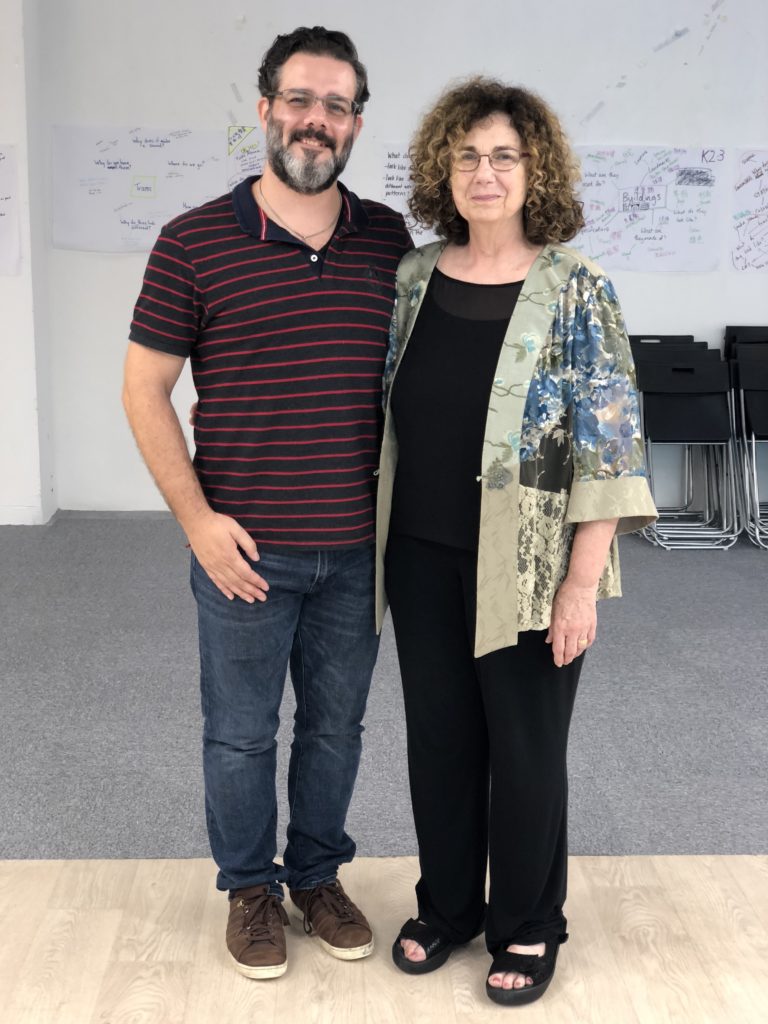
The teachers!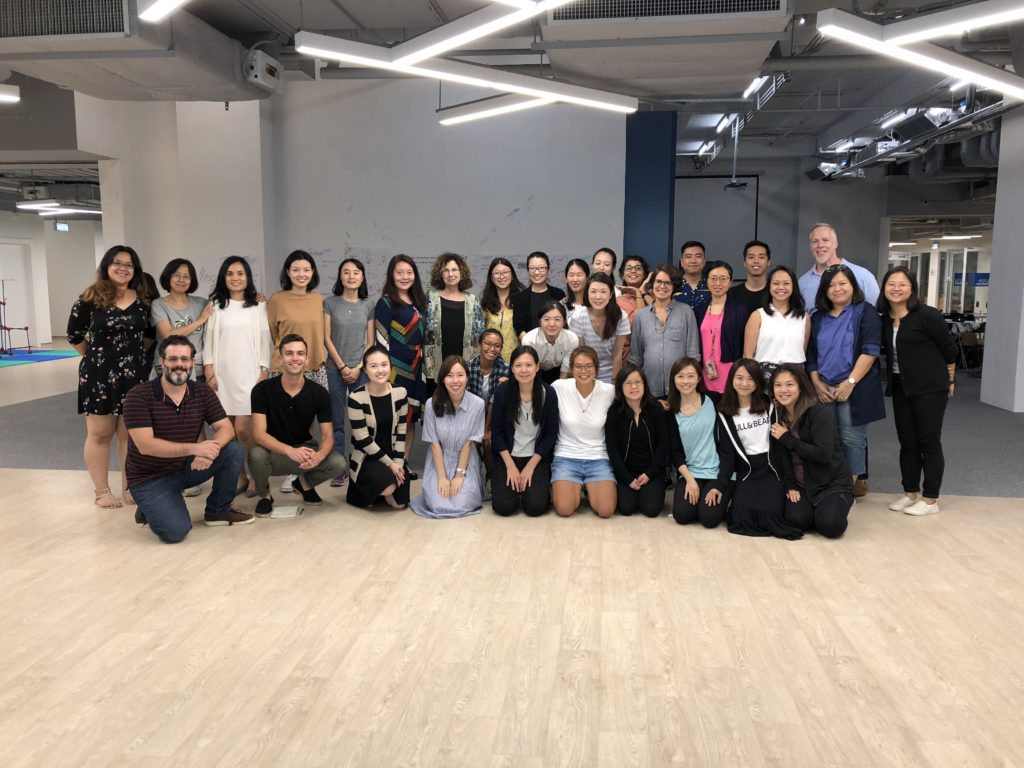
I shared Dana’s Aviation Study with the staff from Datlton School and with teachers and administrators from two other Hong Kong school. First I projected the PowerPoint and we discussed different aspects of the study. Larry posted a photo of each page of the study on a wall adjacent to the presentation as a long time line or frieze. We invited the teachers to look at the study again along with copies of their teaching standards. When they saw an instance of a particular standard being addressed, they were asked to write a note on a post-it and stick it on the picture.
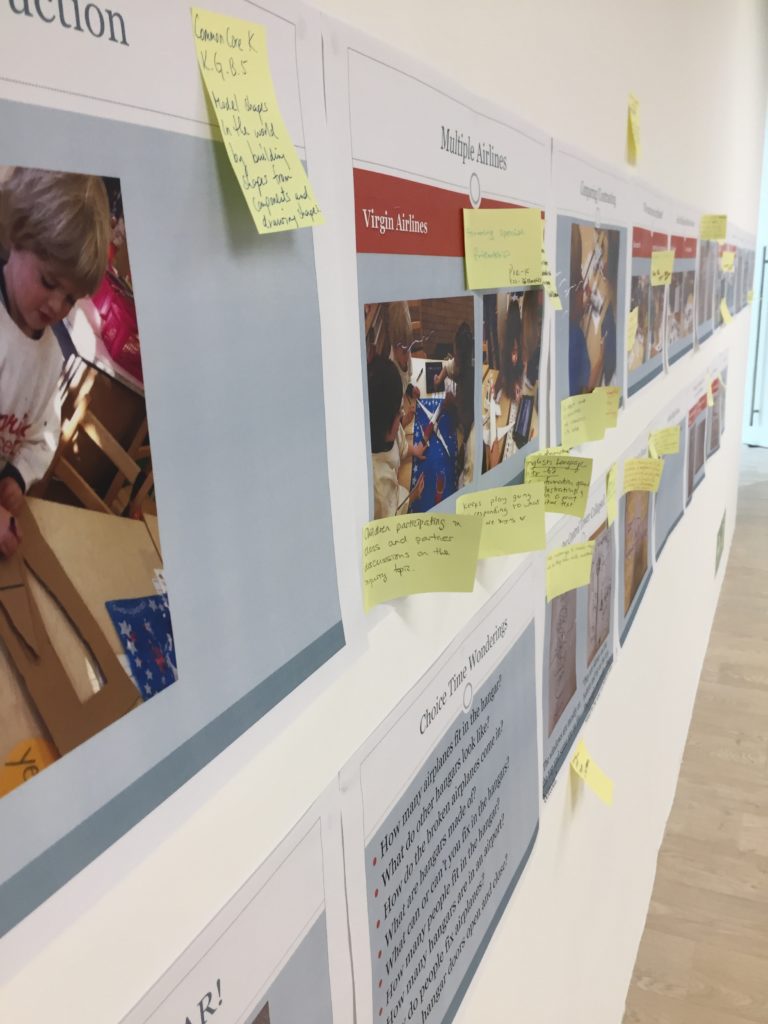
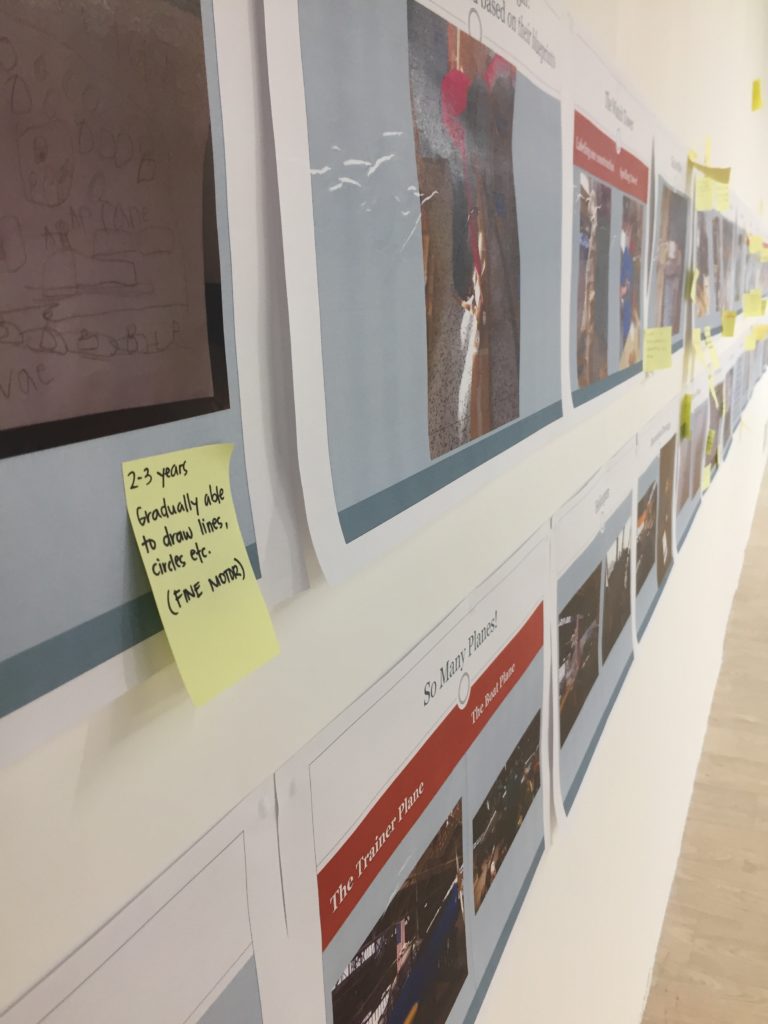
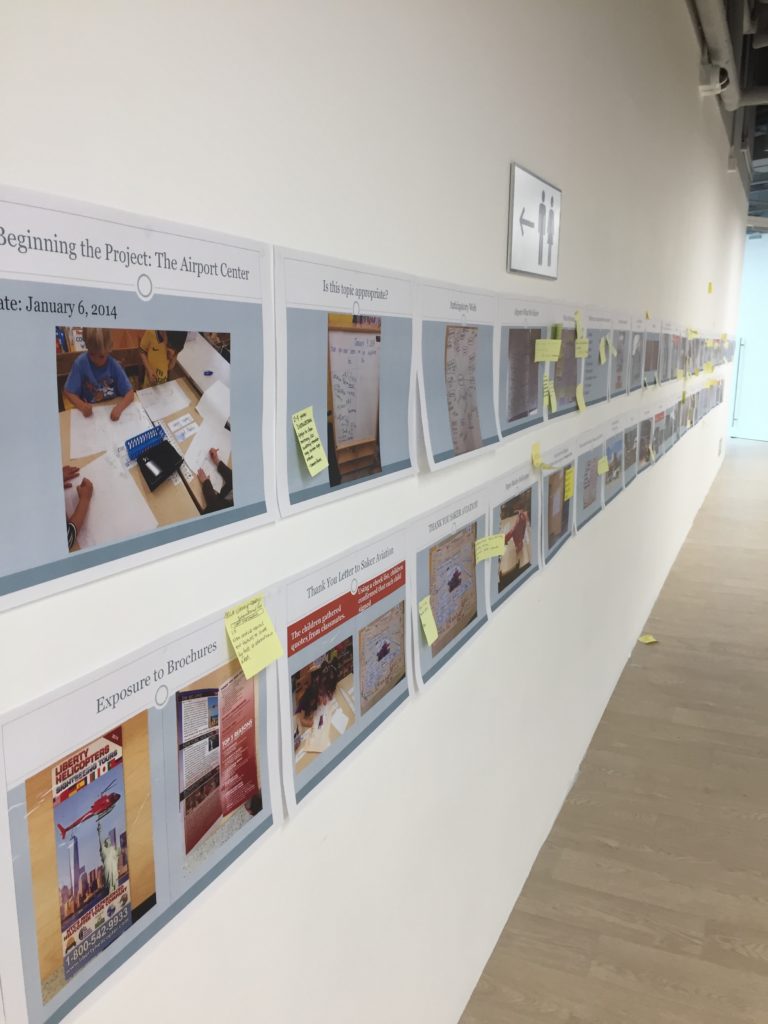
The discussion after this activity was lively, intense and illuminating. The gist of the discourse was that we DON’T begin with the standards when planning a long-term investigation. If we listen to children, value their knowledge and encourage questioning and investigating in many different modalities, then the standards will ultimately be covered, but in a more exciting and meaningful way than if we prepare a study that is pre-planned based on the teaching standards.
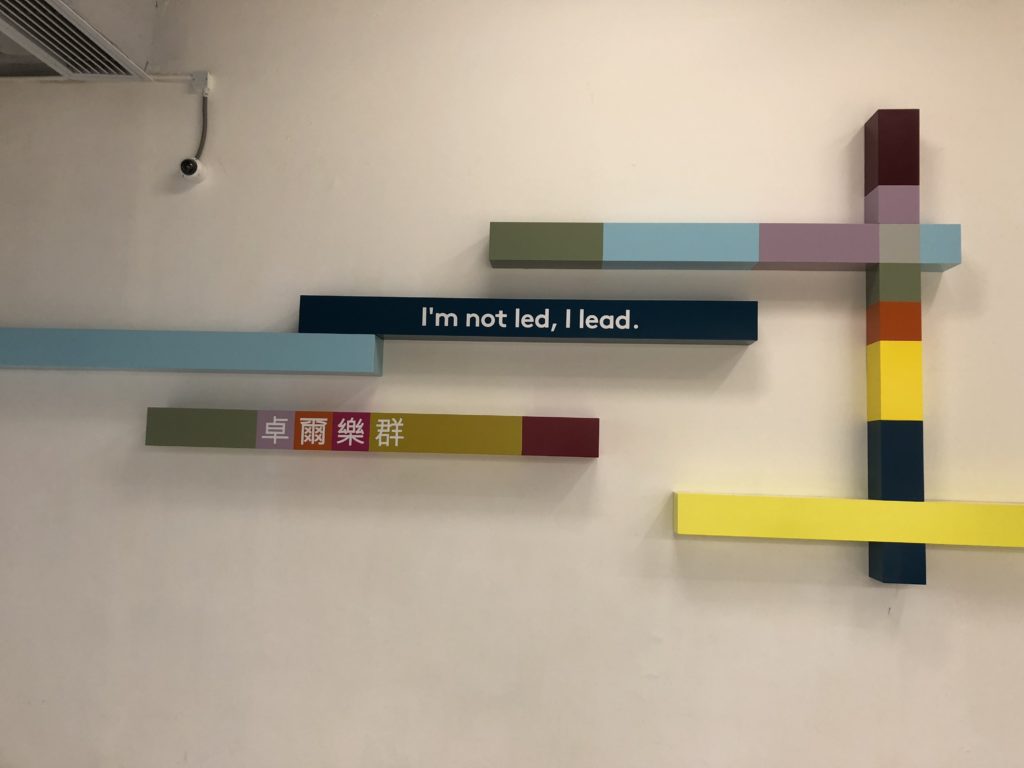
At the entrance to the Hong Kong Dalton School, there’s a plaque with the quote, “I’m not led. I lead.” That’s the important mantra to remember.
Children first!
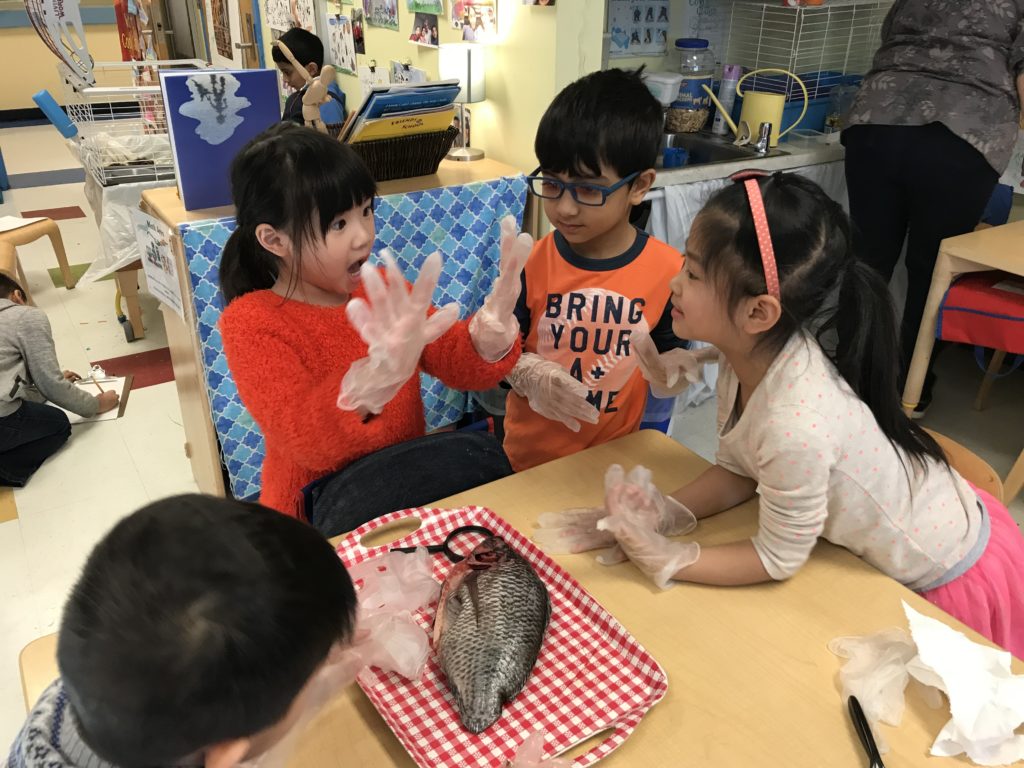
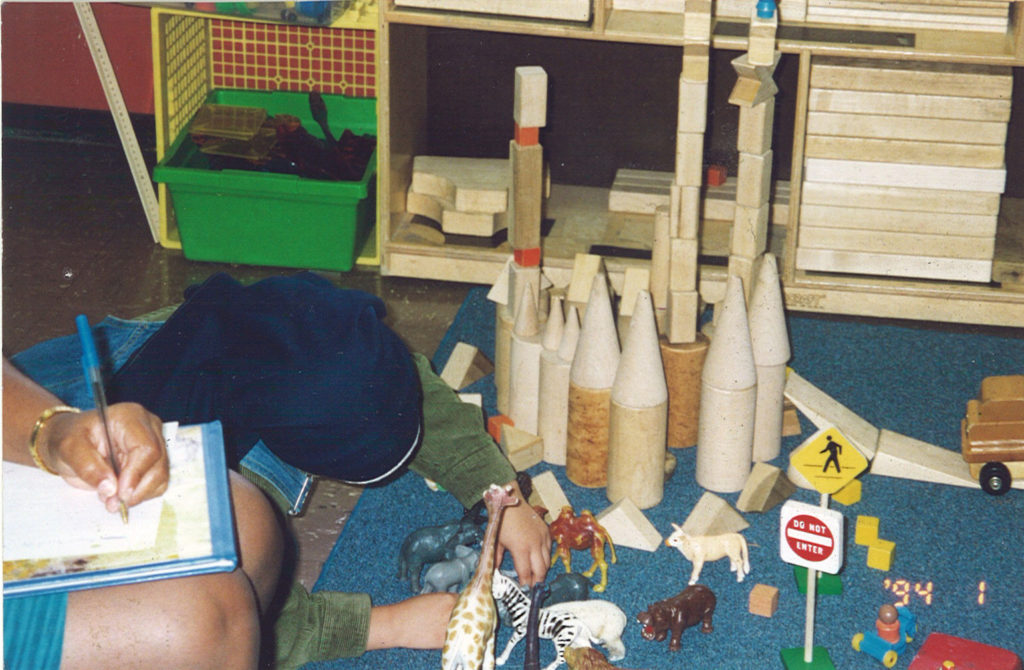 Recently, I was asked if I could create a rubric to help teachers and other educators look critically at Choice Time centers in their classrooms. I didn’t feel entirely comfortable creating a document where teachers used a scale to rate themselves. However, I do think that it might be helpful for teachers and administrators who are new to inquiry-based centers and investigations to have some format for thinking about the why and how of Choice Time centers.
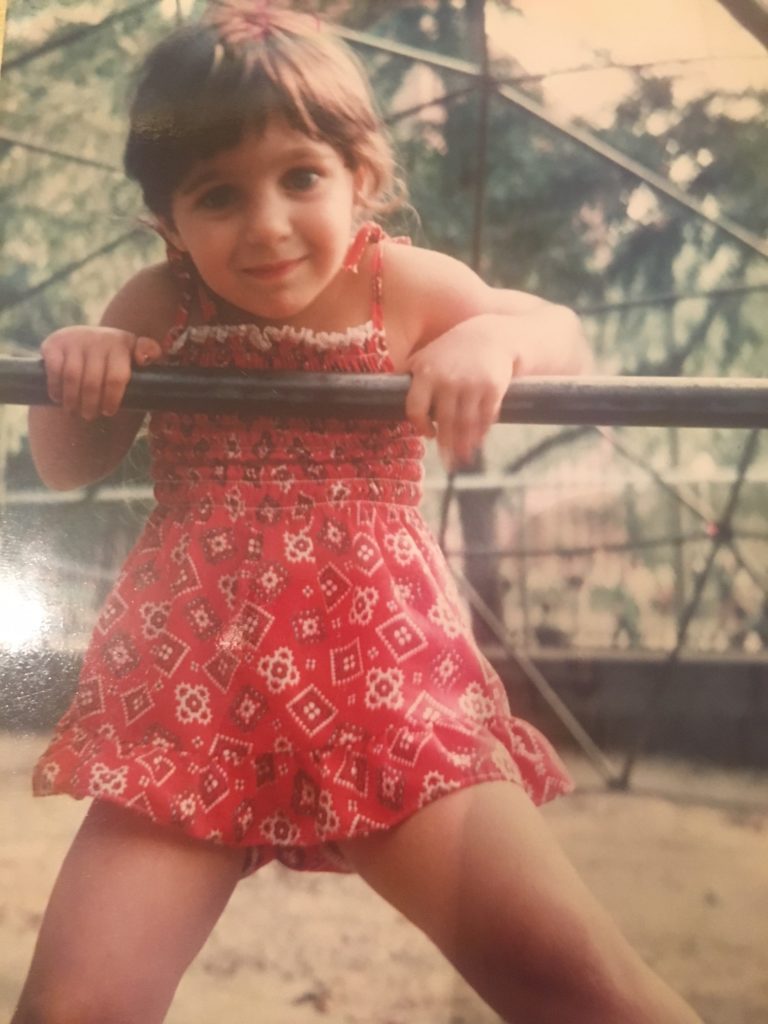 In 1976 my husband and I, along with our 4-year-old daughter and 12-year-old dog, moved to Rome, Italy. Our stay, courtesy of the American Academy in Rome, was originally to be for one year but, happily, it lasted almost three years.


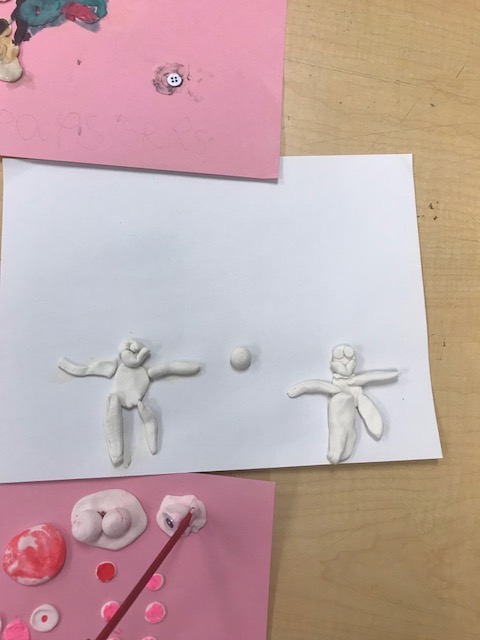 When the weather got colder Charlene had the idea of extending the investigation into a study of board games because these could be played indoors. She began by dedicating one period a day for one week for children to play a variety of board games.


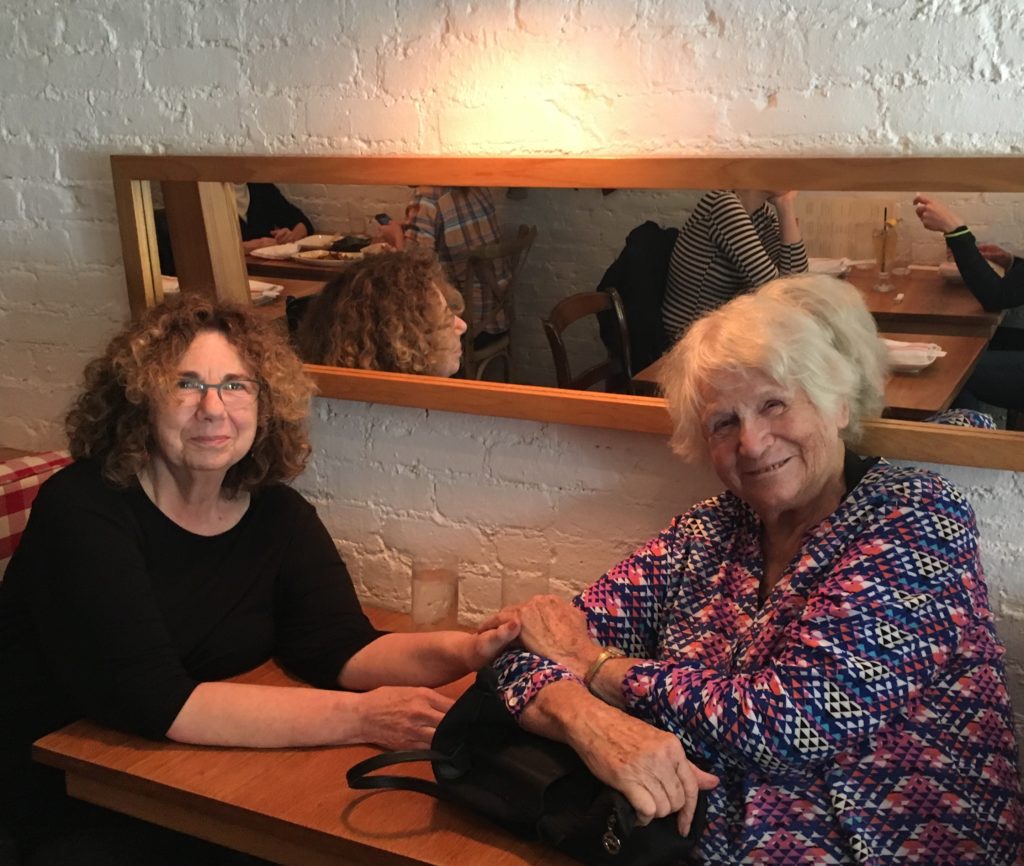 For the last few years I’ve become special friends with Deborah Meier. Each time that I meet with her, I feel as though I’m soaking up her wisdom and her inspiring trust in children and in teachers. Trust is a word that seems to weave its way through my thinking, more and more – lack of trust and need for trust.